
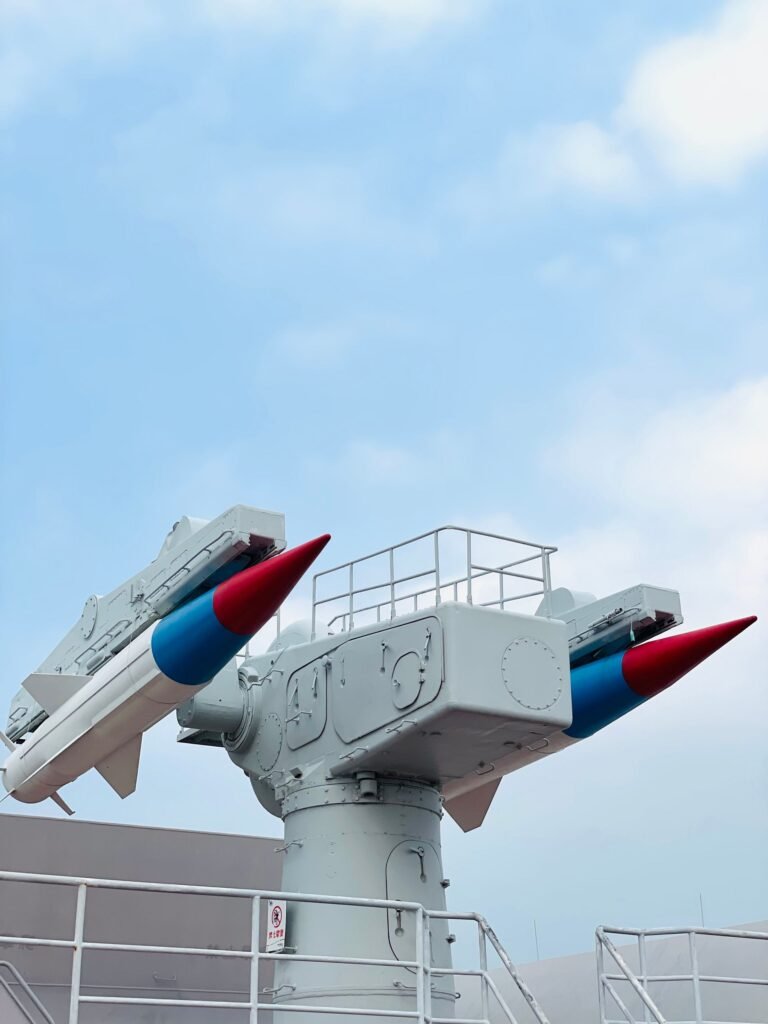
About 60 Patriot air defence interceptors that Washington has already agreed to supply to Ukraine are stuck waiting for approval from the Pentagon, according to a report in the Financial Times, leaving Kyiv short of its best protection against Russian ballistic missiles just as winter sets in and the bombardment intensifies.
The newspaper reported on Tuesday, citing three people familiar with the matter, including two Ukrainian officials, that the shipments have been stalled at the desk of Defence Secretary Pete Hegseth, who has yet to sign off on the transfers. Reuters, which picked up the report, said it could not immediately verify it, and the Pentagon did not immediately respond to a request for comment.
The scale of the hold-up is what makes it striking. The outstanding allocation includes PAC-3 interceptors, the newest version of the Patriot missile and the one that takes down ballistic missiles, scheduled for delivery in four batches between September and December: eight interceptors for September, ten for October, ten for November and twelve for December. None of the four batches has been cleared. On top of that sit about twenty older PAC-2 interceptors, also already allocated to Kyiv and also awaiting approval for delivery. Some of the missiles are held in European arsenals and are being financed by Kyiv’s Western allies. But the Patriot is an American system, so every export, and every re-export out of a European arsenal, needs Washington’s say-so.
For Ukraine, the timing could hardly be worse. Russian missile and drone attacks on Ukrainian cities and energy infrastructure have intensified as winter approaches, and the Patriot is the only system in Kyiv’s arsenal that can reliably intercept Russian ballistic missiles. Every week without the interceptors is a week in which Ukrainian cities are more exposed, and Ukrainian officials have been saying so with growing urgency. President Volodymyr Zelenskyy complained at the end of October that Kyiv had been waiting almost a month for Hegseth to sign a contract covering missiles for both the Patriot and NASAMS, a medium-range air defence system built by RTX and Norway’s Kongsberg.
A second file is stuck too. A separate deal that would allow Ukraine to produce its own Patriot interceptors, which President Donald Trump promised in July, has also slowed. At the NATO summit in Ankara on 8 July, Trump told reporters: “We will give the licence.” According to a Ukrainian official quoted by the Financial Times, Hegseth signed off on the plan, but it was then passed for another review to Michael Duffey, the Pentagon’s top acquisition and sustainment official, for reasons that remain unclear.
The delays have deepened concerns in Kyiv that the administration is using military aid as leverage to secure a quick deal to end the war, before a new Democratic-led Congress takes office in January, potentially pressuring Ukraine into territorial concessions to Russia. Those fears are not new, but they have grown sharper as the peace talks have dragged on and as the flow of American weapons has become more visibly conditional.
There is also a simpler explanation, and it is one the administration itself has offered in a different context. Trump turned down Zelenskyy’s request for a “winter package” of 300 interceptors, citing low global stocks, and officials have pointed to a severe worldwide shortage of Patriot missiles, worsened by the US war in Iran. The Patriot is a system that many countries want and few can produce quickly, and the queue for new interceptors stretches years into the future. In October, the US approved a separate sale of 500 PAC-3 missiles to Ukraine worth about $2.1 billion, but deliveries are not expected until the early 2030s. That is a long-term commitment, not a solution to this winter’s problem.
The distinction matters, because the 60 interceptors at issue are not a future order. They are missiles that have already been allocated, in some cases already paid for by Ukraine’s allies, and in some cases already sitting in European depots. What they are waiting for is a signature. That is why the story has landed so hard in Kyiv and in European capitals, where officials have spent the year building a system in which European money buys American weapons for Ukraine, only to discover that the American signature is the part that cannot be taken for granted.
Hegseth’s office has not explained the delay. It is possible that the hold-up is bureaucratic rather than political, a file caught in a review process that nobody has chosen to expedite. It is possible that it reflects a deliberate decision to slow the flow of weapons while negotiations continue. The Financial Times report does not resolve that question, and the Pentagon’s silence does not help. What is clear is that the effect on the ground is the same either way: interceptors that Ukraine was promised for September, October and November have not arrived, and December’s batch is now in doubt as well.
Ukraine’s air defences have performed remarkably under pressure, shooting down the vast majority of the drones and missiles Russia fires at its cities. But air defence is a war of attrition, and every interceptor fired is one that must be replaced. The Patriot batteries protecting Kyiv and other cities cannot do their job without a steady supply of missiles, and the gap between what was promised and what has been delivered is now measured in dozens of interceptors and months of waiting.
Whether the signature comes this week or next month, the episode has already done damage. It has reminded Kyiv that even weapons its allies have paid for can be held up in Washington, and it has reminded European governments that their plan to keep Ukraine supplied depends on American decisions they do not control. For the people in the cities those missiles are meant to protect, the argument is more immediate. Winter is coming, the missiles are falling, and sixty interceptors are sitting in depots waiting for a pen.