
If the roads feel fuller this week and the airport lines feel longer, it is not your imagination. Thanksgiving 2026 is set to be the busiest holiday travel period in American history, with AAA projecting that 81.5 million people will travel at least 50 miles from home between Tuesday, November 24, and Monday, November 30. That is more travellers than ever before for the holiday, and it means that nearly one in four Americans is on the move this week.
The car remains king. About 72.9 million people — nearly nine in ten of all Thanksgiving travellers — are expected to drive, making the highways the real story of the holiday. Another 5.96 million will fly domestically, and 2.6 million more will travel by bus, train or cruise, a figure up 4.1 percent from last year. The sheer scale of it is hard to picture: more than 80 million people, all heading somewhere at roughly the same time, all trying to get there before Thursday dinner.
The busiest days are the ones happening right now. AAA and INRIX, the traffic data company, expect Tuesday, November 24, and Wednesday, November 25, to be the worst days to drive, with the heaviest congestion in the afternoon and evening as commuters mix with holiday travellers. The mornings are generally smoother, which is why the advice is always the same: leave early, or leave late, but do not leave at 4 p.m. The return trip will be just as busy, with heavy traffic expected on Sunday and Monday as everyone heads home at once.
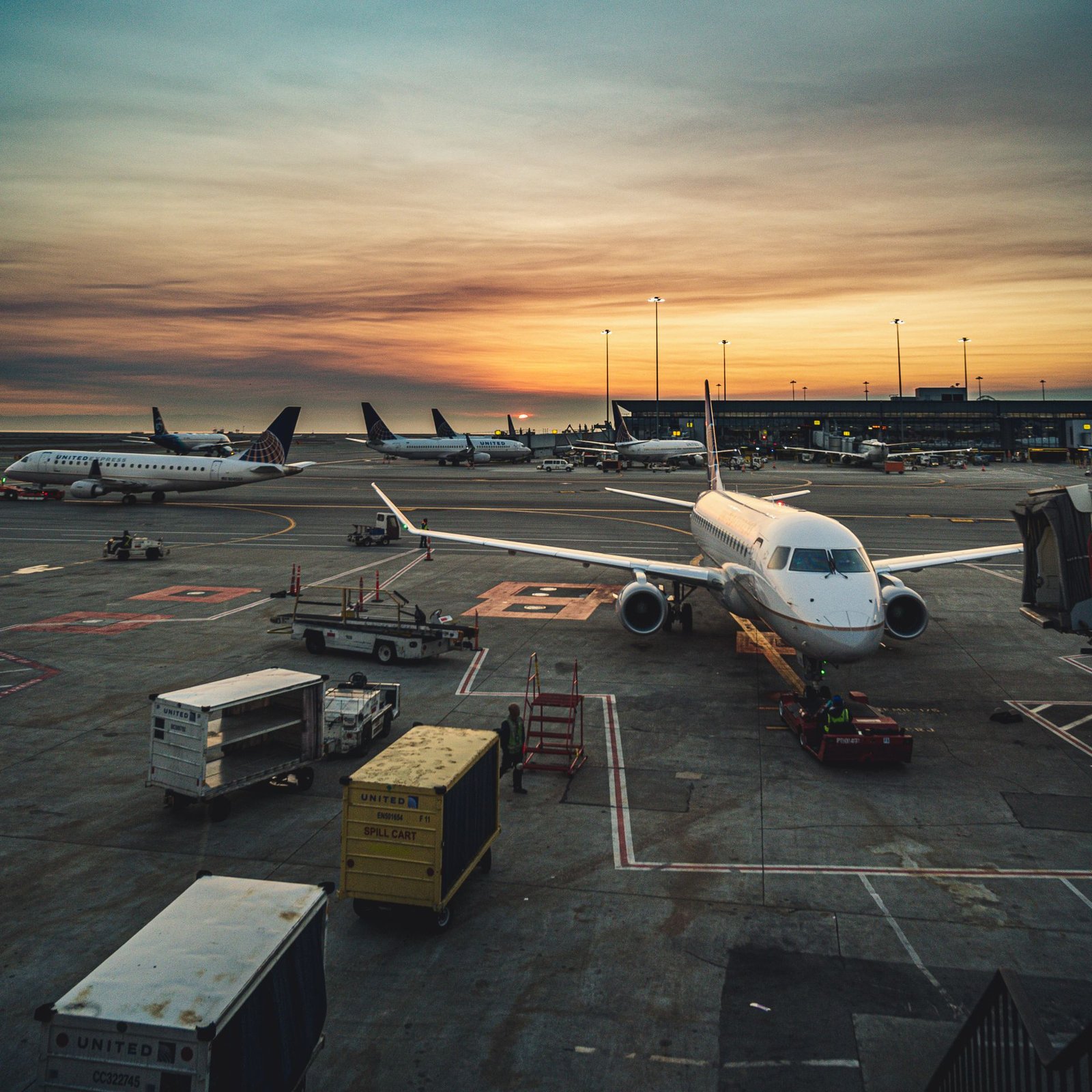
Flying is no calmer. The average round-trip domestic Thanksgiving airfare booked through AAA’s data was about $800 this year — 17 percent higher than last year — and the airports are expected to be packed from Tuesday through the weekend. The Transportation Security Administration has been preparing for record screening numbers, and the busiest airports in the country are bracing for their biggest Thanksgiving crowds ever. Anyone flying this week knows the drill: arrive early, pack patience, and do not count on the middle seat staying empty.
There is some good news for drivers, at least. Gas prices have been falling ahead of the holiday, helped by a diesel shortage that has created a gasoline glut in parts of the country, and the national average is lower than many travellers feared a month ago. It is small comfort when the traffic is bumper to bumper, but it is comfort nonetheless — a cheaper tank on a week when everything else about the holiday seems to cost more.
Thanksgiving travel has also become something bigger than a domestic holiday. AAA’s booking data shows Americans heading abroad in large numbers too, with popular international destinations including Budapest, Cancún, Paris, Barcelona, London, Amsterdam, Rome and Munich. Thanksgiving week has quietly evolved into an important international tourism period, with families using the long weekend for a proper trip rather than just a drive to the relatives. The holiday that was once about going home is now, for millions of people, about going somewhere new.
The numbers tell a story about confidence as much as about congestion. A record travel period does not happen when people are worried about money or about the future. It happens when families decide the trip is worth it — when the grandparents are worth the drive, the reunion is worth the flight, and the holiday is worth the hassle. The National Retail Federation estimates that 182.7 million consumers plan to shop between Thanksgiving Day and Cyber Monday, which suggests the same mood carries through the weekend: people are spending, travelling, and gathering, in numbers the country has not seen before.
Thanksgiving has been the biggest travel holiday in America for decades, but the scale keeps climbing. AAA has been forecasting the holiday rush for years, and each season seems to set a new mark as more families spread out across the country and the tradition of gathering in one place holds firm. The pattern is remarkably steady: the roads fill on Tuesday and Wednesday, the airports peak on the same days, and the whole country essentially moves at once, then moves back again on Sunday and Monday. It is, in its own way, the largest annual migration in the nation — not of people moving home, but of people moving toward home.
For anyone still to travel, the practical advice has not changed in years, and it is worth repeating. Drivers should check tyres, fuel, and the weather along the whole route before leaving, and share their expected arrival time with someone at the other end. Fliers should arrive earlier than usual, keep essentials and medication in hand luggage, and download the airline’s app so rebooking is a tap rather than a queue if a flight is delayed. And everyone, however they travel, should build in a buffer — the one thing this week guarantees is that something will take longer than planned.
That does not make the journey easy. The roads will be crowded, the airports will be loud, and somewhere on Interstate 95 a family will be sitting in traffic, wondering why they did not leave at dawn. But that is part of the ritual, and it has been for generations. Thanksgiving travel has always been a test of patience — the long drive, the delayed flight, the last-minute dash to the gate — and the reward has always been the same: the table, the people, and the feeling of having made it.
This year, more people than ever are making it. Eighty-one and a half million of them, by AAA’s count, spread across every highway and every airport in the country. If you are one of them, leave early, drive safely, and give yourself more time than you think you need. The turkey will wait. The traffic will not.