
Thanksgiving used to be a meal. This year, judging by America’s phone screens, it is a production — with rehearsals in the grocery store, a dance break in the aisle, a dramatic dinner scene, and a shopping finale on Friday that half the audience does not fully believe in. The holiday has not changed. The way we perform it has.
The top TikTok trend of late November, according to New Engen’s weekly breakdown updated November 20, is “Gossip Girl Thanksgiving.” The format is simple: friends and families recreate the famously dramatic Thanksgiving dinners from the television show, all pointed glances and loaded silences, set to a Jason Derulo track. Someone carves the turkey while someone else delivers a devastating line. Someone else stares into the middle distance while the gravy goes cold. It works because it names something real. Thanksgiving dinner, with the whole family around one table, has always had its tensions — the old arguments, the loaded questions, the uncle with opinions. The trend just gives everybody a theme song and permission to laugh at the role they know they are playing.
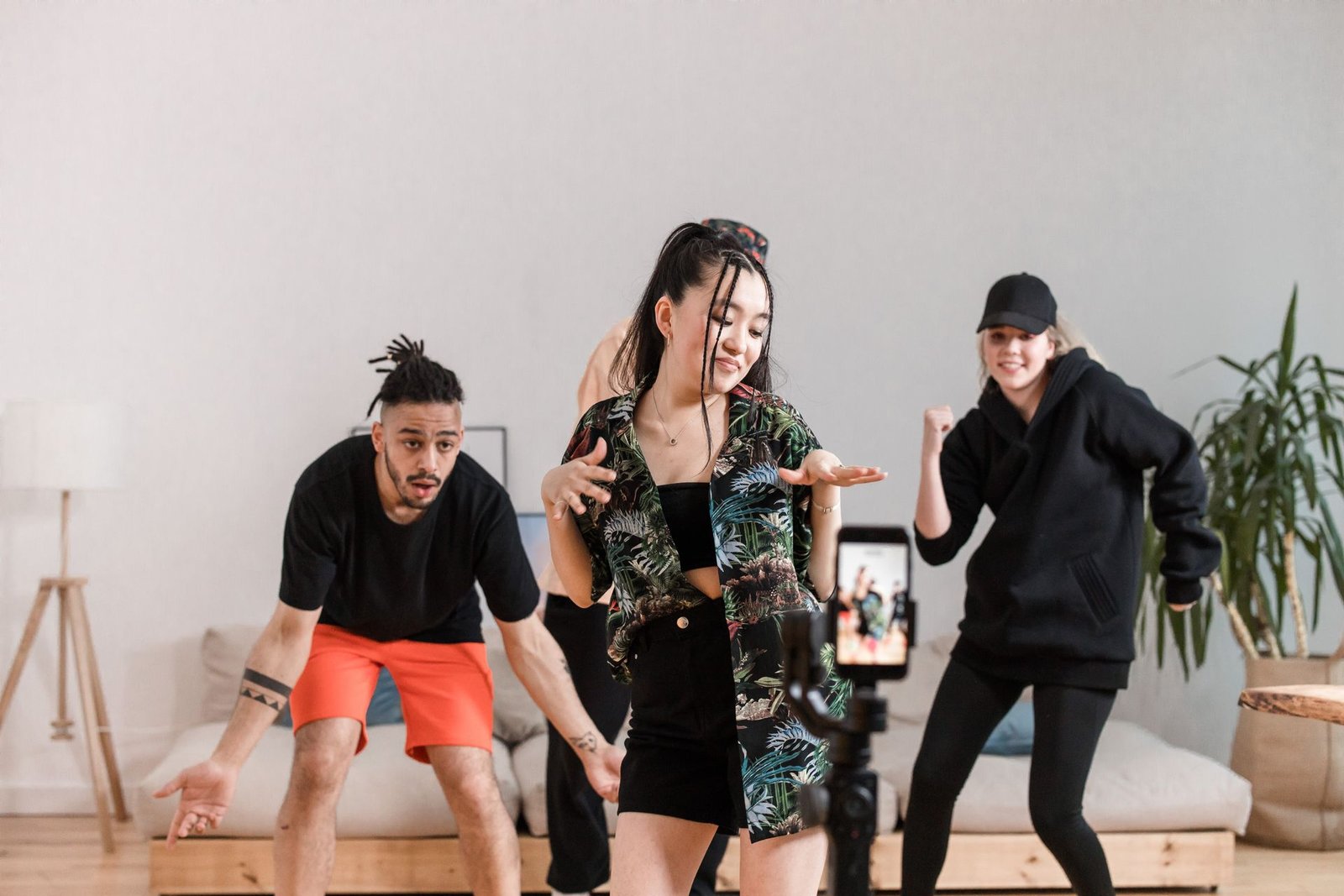
Then there is the dance break. Every production needs a musical number, and this year it is gloriously silly. The Thanksgiving Bend dance runs on a remix of gospel singer Shirley Caesar’s famous food list — “beans, greens, potatoes, tomatoes, lamb, rams, hogs, dogs, you name it.” DJ Sauced Up uploaded his bend remix on November 4, and by November 11 about 770 videos were already using the sound, with roughly 100 more arriving every day. The biggest early clip was a crew doing the dance in a grocery store aisle, with 179,000 plays. The grocery run is a chore until somebody turns it into a dance break, and in Thanksgiving week, the grocery store is a contact sport: the list is long, the good pies sell out, and a stranger will absolutely take the last can of the thing you need while making eye contact.
The prep side of the holiday has its own trends. SocialPilot’s roundup for November 17 to 25 notes that Thanksgiving and Friendsgiving preparation takes over feeds from November 21 to November 25, with turkey-shaped charcuterie boards, elaborate table setups, and “what I’m bringing” clips in the days before Thanksgiving on November 26. Even the appetizer is now set design. Cheese and crackers get fanned out into turkey tail feathers, because a plain board does not get filmed and a turkey board does. The table is no longer just a place to eat; it is a backdrop, and it had better look good on camera.
None of this is new, exactly. Thanksgiving has been televised for a century — the parade, the football, the cooking shows — and families have been performing their togetherness for as long as anyone can remember. What TikTok has done is speed the whole thing up and hand the camera to everyone. The rehearsal used to happen in private; now it happens in the grocery aisle, in front of strangers, with a ring light. The dinner scene used to be a memory; now it is a video with a soundtrack, edited before the plates are cleared.
There is something genuinely charming about it, for all the eye-rolling it invites. The Gossip Girl format works because it lets families laugh at their own dynamics instead of pretending they do not exist. The Bend dance works because it takes a song about food — a real gospel tradition, a real list of everything on the table — and turns it into something joyful and shared. The charcuterie turkey works because somebody, somewhere, looked at a board of cheese and thought: this could be art. These are not cynical trends. They are people having fun with a holiday that belongs to everyone, and doing it in public.
It is also, whether anyone admits it or not, a kind of rehearsal for the real thing. The videos about what to bring, how to set the table, and which dish to make are genuinely useful, passed from one kitchen to another at a speed no cookbook could match. A first-time host who has never cooked a turkey can watch a dozen people do it before breakfast. A guest who does not know what to bring can steal an idea from a stranger’s video. The performance and the practical help are the same thing, which is why the trends spread so fast.
The Friendsgiving side of the holiday has its own energy. For younger hosts, the Thursday meal with family is only half the event; the Friendsgiving the weekend before — or the weekend after — is where the real creativity happens. The same trends apply, but looser: the Gossip Girl reenactments get sillier, the dance videos get braver, and the table settings get stranger, because nobody’s grandmother is watching. It is Thanksgiving without the stakes, and for a generation that films everything, it is the version of the holiday that feels most like their own.
Of course, there is a limit. A holiday that becomes a production can start to feel like work, and the pressure to make the table look good on camera is real. Not every family wants to be a cast, and not every dinner needs a soundtrack. The best of these trends know that, which is why the funniest ones are the ones that lean into the mess — the burnt rolls, the lopsided pie, the relative who refuses to play along. Thanksgiving was never perfect, and the videos that pretend otherwise are the ones nobody remembers.
This year, the holiday arrives with all of it at once: the dramatic dinner, the grocery aisle dance, the turkey-shaped cheese board, and then, on Friday, the shopping. It is a lot. But underneath the performance, the thing itself is still there — the meal, the people, the table. The trends will fade by December, as they always do. The leftovers, the stories, and the videos of somebody’s uncle doing the Bend dance in the kitchen will last a little longer. And next year, there will be a new trend, a new dance, and a new way to turn the same old holiday into a show. That, as much as anything, is the tradition now.