
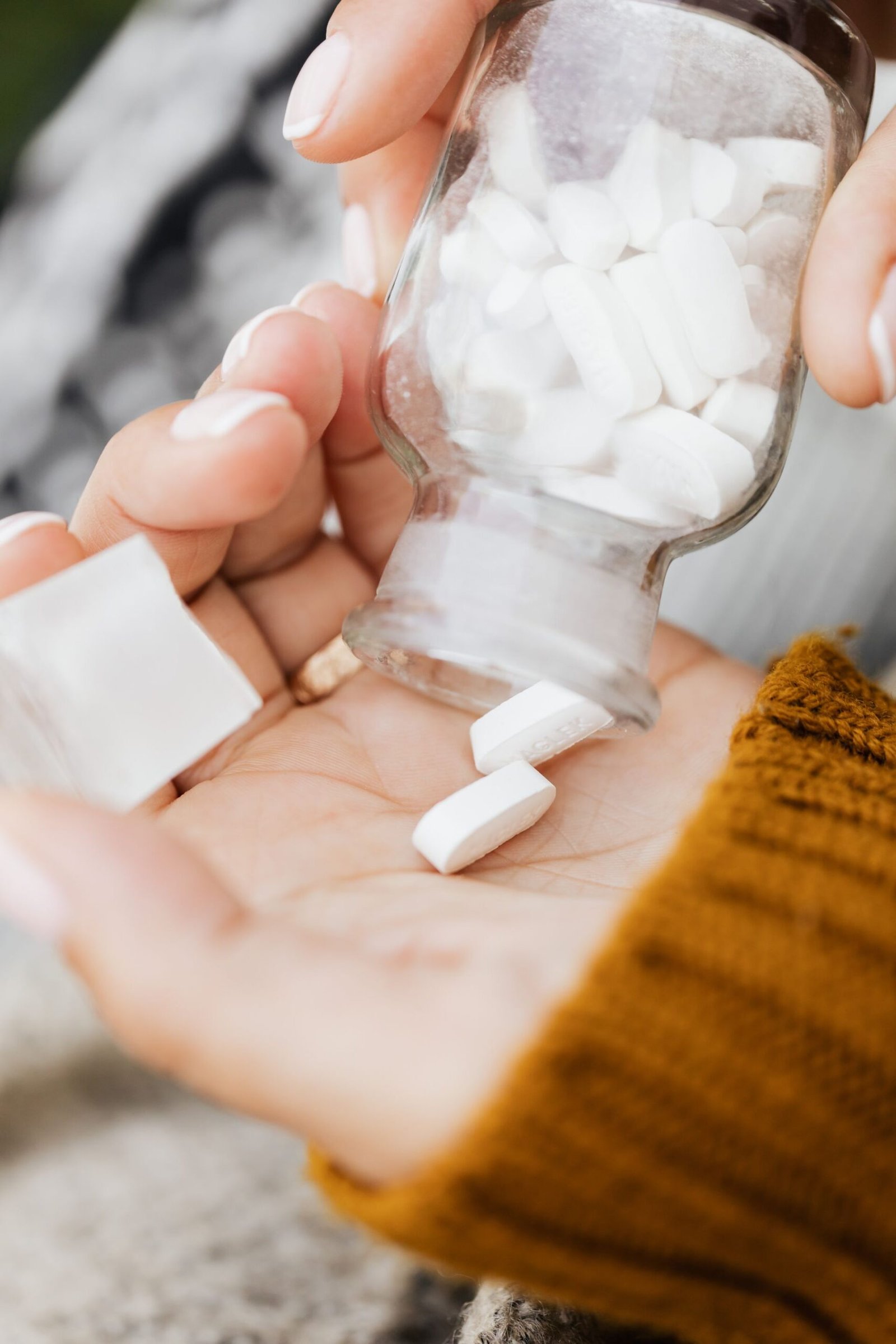
If you take prescription-strength ibuprofen, it is worth checking the bottle in your medicine cabinet tonight. The US Food and Drug Administration has announced a nationwide recall of one lot of ibuprofen 800 milligram tablets after tiny aluminum particles were found on the surface of some of the pills. The recall, announced by the manufacturer on 23 November 2026 and posted by the FDA on 24 November, covers a single lot, but anyone with that lot is being told to stop taking the tablets and call their doctor or pharmacist.
The recall comes from Golden State Medical Supply, Inc., a pharmaceutical supplier based in Camarillo, California. The company initiated a voluntary, consumer-level recall of its ibuprofen 800 milligram tablets after discovering potential aluminum particulate contamination localised on the surface of the tablets. Only one lot is affected, and the details are specific enough that you can check in seconds. The product is ibuprofen 800 milligram tablets, sold under the GSMS brand, with National Drug Code 51407-841-05, lot number GS069303, and an expiration date of January 2030. The tablets come in 500-tablet bottles and are sold by prescription only.
The particles themselves are tiny, measuring between 0.01 and 0.10 millimetres, roughly the width of a human hair at the upper end and far smaller at the lower end. The FDA says continued use of tablets from the affected lot may cause minor irritation and abrasion of the gastrointestinal tract, meaning the lining of the stomach or intestines could be scratched or irritated. At the same time, the agency stresses that the likelihood of a related adverse event is remote given the size of the particles, and Golden State Medical Supply says it is not aware of any adverse events associated with this lot so far. The recall is a precaution, but it is one the FDA takes seriously enough to announce nationally.
The affected lot was sold to McKesson, one of the largest pharmaceutical wholesalers in the country. McKesson has been instructed to stop distributing the recalled lot immediately, quarantine any remaining stock in its control, and return it to Golden State Medical Supply. That chain of custody matters, because it is how a recall of a single lot can be nationwide: one wholesaler can move a lot of medicine to pharmacies across the country, and the FDA’s announcement is the fastest way to reach the patients at the end of that chain.
What should you do if you have the recalled tablets? The official advice is straightforward. Stop taking tablets from the affected lot and contact your physician, pharmacist or healthcare provider right away. Return any unused tablets to the pharmacy where you obtained them. Do not simply throw the bottle away and carry on without your medicine, because ibuprofen 800 milligrams is prescribed for a reason, and your doctor or pharmacist can arrange a safe replacement. If you have experienced any problem that might be related to taking the tablets, contact your healthcare provider, and adverse reactions can be reported to the FDA’s MedWatch safety programme online or by calling 1-800-332-1088. Consumers with questions about the recall can contact Golden State Medical Supply directly at (800) 284-8633, extension 116, Monday through Friday between 7:30 a.m. and 4 p.m. Pacific time, or by email at recalls@gsms.us.
Ibuprofen is one of the most widely used medicines in the world. It belongs to a family of drugs called nonsteroidal anti-inflammatory drugs, or NSAIDs, and at the 800 milligram prescription strength it is used to treat mild to moderate pain, menstrual cramps, and the symptoms of rheumatoid arthritis and osteoarthritis. Lower doses are sold over the counter, but the 800 milligram tablets are prescription only, which means the people affected by this recall are patients who were given the drug for a specific medical reason. That is why the recall notice is addressed not just to consumers but to patients, caregivers, pharmacists and healthcare professionals.
This is not the first time this year that a common painkiller has been pulled from shelves over contamination. In March 2026, Strides Pharma recalled 89,592 bottles of children’s ibuprofen oral suspension, the 100 milligram liquid form, after reports of gel-like masses and black particles in the product, a case the FDA classified as a Class II recall. And only days ago, a different blood pressure drug, propranolol, was recalled nationwide over possible metal contamination. The pattern is a reminder that even the most familiar medicines pass through complex manufacturing and packaging chains, and that small failures in those chains, a flake of metal here, a particle there, can reach a lot of people before they are caught.
That is also why the FDA’s recall system exists, and why it works the way it does. When a manufacturer spots a problem, it reports to the FDA, the agency publishes the notice with the exact lot number and drug code, and pharmacies and wholesalers are told to pull the product. The system depends on patients actually reading those notices and checking their bottles, which is the least glamorous part of drug safety and the most important. A lot number takes ten seconds to check, and in this case the number to look for is GS069303.
Most people who take ibuprofen will never be affected by this recall. It covers one lot of one strength from one supplier, and the risk from the particles is described as remote. But if your bottle matches, the advice is unambiguous: stop, call your doctor or pharmacist, and return the tablets. A recall is not a reason to panic, and it is not a reason to stop treating your pain. It is a reason to check the label, make one phone call, and get a clean bottle instead.
Checking is easy once you know where to look. The lot number and the National Drug Code are printed on the bottle’s label, usually near the barcode or on the side panel. The lot number for this recall is GS069303, and the drug code is 51407-841-05. If your bottle shows a different lot number, or a different strength, such as the 200 milligram tablets sold over the counter, it is not part of this recall and you can carry on as normal. Pharmacists can also check for you: if you are unsure, take the bottle to the pharmacy where you got it and ask them to verify it. They deal with recalls every week, and checking a lot number takes them a moment. If you get your medicine by mail order, call the pharmacy’s helpline and read out the numbers on the label. It is a small chore, but it is the chore that makes the whole recall system work, because a notice in the news only helps the people who act on it.