
Millions of Americans take a GLP-1 drug every week, for diabetes, for weight loss, or for both, and most of them have never heard of the eye condition that is about to appear on the label. On 9 November, the US Food and Drug Administration said it will require the makers of Ozempic, Wegovy, Mounjaro, Zepbound and Trulicity to add a warning about a rare condition that can cause sudden, sometimes permanent, vision loss. The condition is called non-arteritic anterior ischemic optic neuropathy, mercifully shortened to NAION, and the warning will apply to every drug in the class.
NAION is not a familiar name, but the way it strikes is brutally simple. The optic nerve, the cable that carries everything the eye sees to the brain, loses part of its blood supply. Starved of oxygen, some of its fibres die, and vision in that eye drops, suddenly and without pain. It usually affects one eye, and it is often first noticed on waking up in the morning. In some people the loss is partial. In others it is severe, and it does not come back. There is no treatment that reliably restores what is lost, which is why doctors talk about it in terms of prevention and early recognition rather than cure.
The FDA did not act on a hunch. The concern has been building since 2024, when a study published in JAMA Ophthalmology found that people prescribed semaglutide, the active ingredient in Ozempic and Wegovy, were more likely to develop NAION than similar patients taking other diabetes drugs. Since then, several more studies have pointed the same way. The agency then ran its own analysis, comparing the rate of NAION in people treated with GLP-1 drugs against people given a placebo or a non-GLP-1 diabetes medicine. It found 6.4 cases per 100,000 person-years in the GLP-1 group, against 3.8 cases per 100,000 person-years in the comparison group. In plain terms, the condition is rare either way, but it showed up more often in people on these drugs.
That word, rare, is doing a lot of work here, and it is worth pausing on it. Roughly six cases in a hundred thousand people followed for a year is a small number, and the FDA has been careful to say that the evidence shows an association, not proof that the drugs cause the condition. Diabetes itself raises the risk of NAION, as do high blood pressure, sleep apnoea and a particular shape of the optic nerve head that eye doctors call a “disc at risk”. Many of the people taking GLP-1 drugs have one or more of those risk factors already, which makes it genuinely hard to separate the effect of the drug from the effect of the conditions it treats. What the agency decided is that the signal is strong enough, and the consequence serious enough, that patients and doctors should know about it.
For the people taking these medicines, the practical question is what to do with that knowledge, and the answer is not to panic, and not to stop the drug on your own. The benefits of GLP-1 drugs are large and well documented. They lower blood sugar, they produce substantial weight loss, and large trials have shown they cut the risk of heart attacks, strokes and kidney failure in people with diabetes and obesity. Against a risk measured in single digits per hundred thousand, those benefits matter enormously. Yin Allison Liu, a neuro-ophthalmologist at the University of California, Davis, put it plainly when the warning was announced: for someone with diabetes, obesity or substantial cardiovascular risk, the benefits of treatment may outweigh the potential risk to vision.
The warning is really about recognition. NAION is an emergency, and the earlier it is spotted, the better the chances of protecting the other eye. The symptoms to know are a sudden loss of vision in one eye that comes on without pain, often noticed after waking; blurry or missing patches in the field of vision, such as blind spots or tunnel vision; colours that look faded or washed out; and hazy or fuzzy spots in the centre of vision. Anyone who notices these changes should call their doctor straight away or go to an emergency department. Sudden vision changes are a medical emergency, whatever their cause, and waiting to see if they clear up on their own is the one thing experts say not to do.
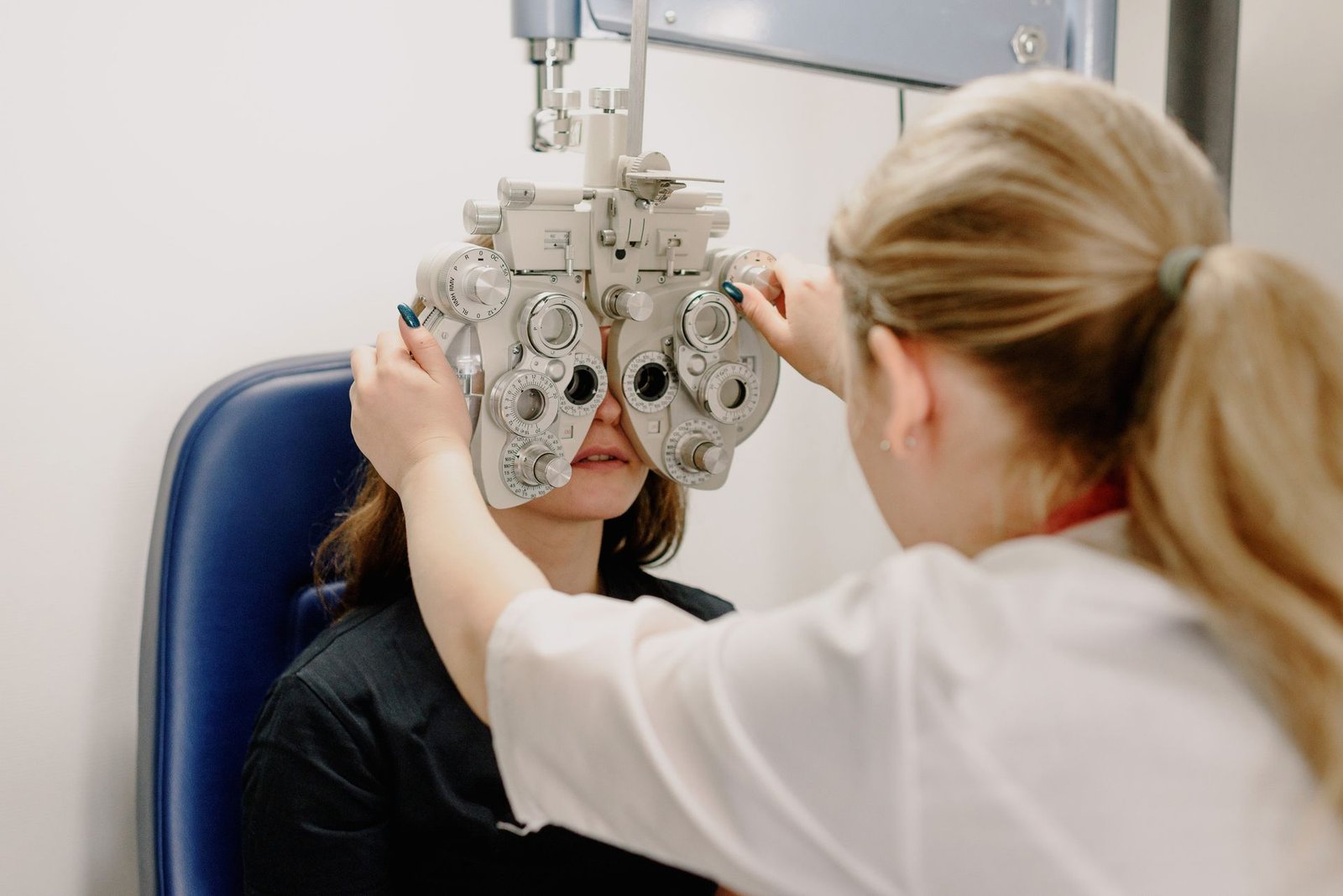
There is also a conversation worth having before anything goes wrong. People starting a GLP-1 drug who already have diabetes, high blood pressure or a history of eye problems should make sure their eye doctor knows they are taking it, and should keep up with routine eye examinations. Diabetes already damages the retina, and regular eye checks are part of good diabetes care with or without this warning. If you have had NAION in one eye before, the discussion is more delicate, because the risk to the second eye is higher, and that is a decision to make with both your prescribing doctor and an eye specialist, weighing the drug’s benefits against a risk that is personal rather than statistical.
The FDA has told doctors to consider stopping the drug in patients who develop NAION, unless the benefits clearly outweigh the risk. That is a judgement call, not a rule, and it underlines something important about this story. Stopping a GLP-1 drug is not a free choice either. Recent research has found that people who stop these medicines can see their weight return and their risk of heart attacks and strokes climb again. So the decision cuts both ways, and it belongs in a clinic, not in a headline.
There will be more to learn. Researchers are now trying to work out who is most vulnerable, whether the risk differs between individual drugs in the class, and whether it is dose-related. The FDA’s warning will also generate better reporting, because doctors and patients who know what to look for are more likely to report cases, and that data will sharpen the picture over time. For now, the message is measured: a rare but serious risk has been added to the label of some of the most widely used drugs in America, and the right response is awareness, not alarm. Know the symptoms, keep your eye appointments, and if your vision changes suddenly, get help the same day. Your eyesight is not something to watch and wait on.