
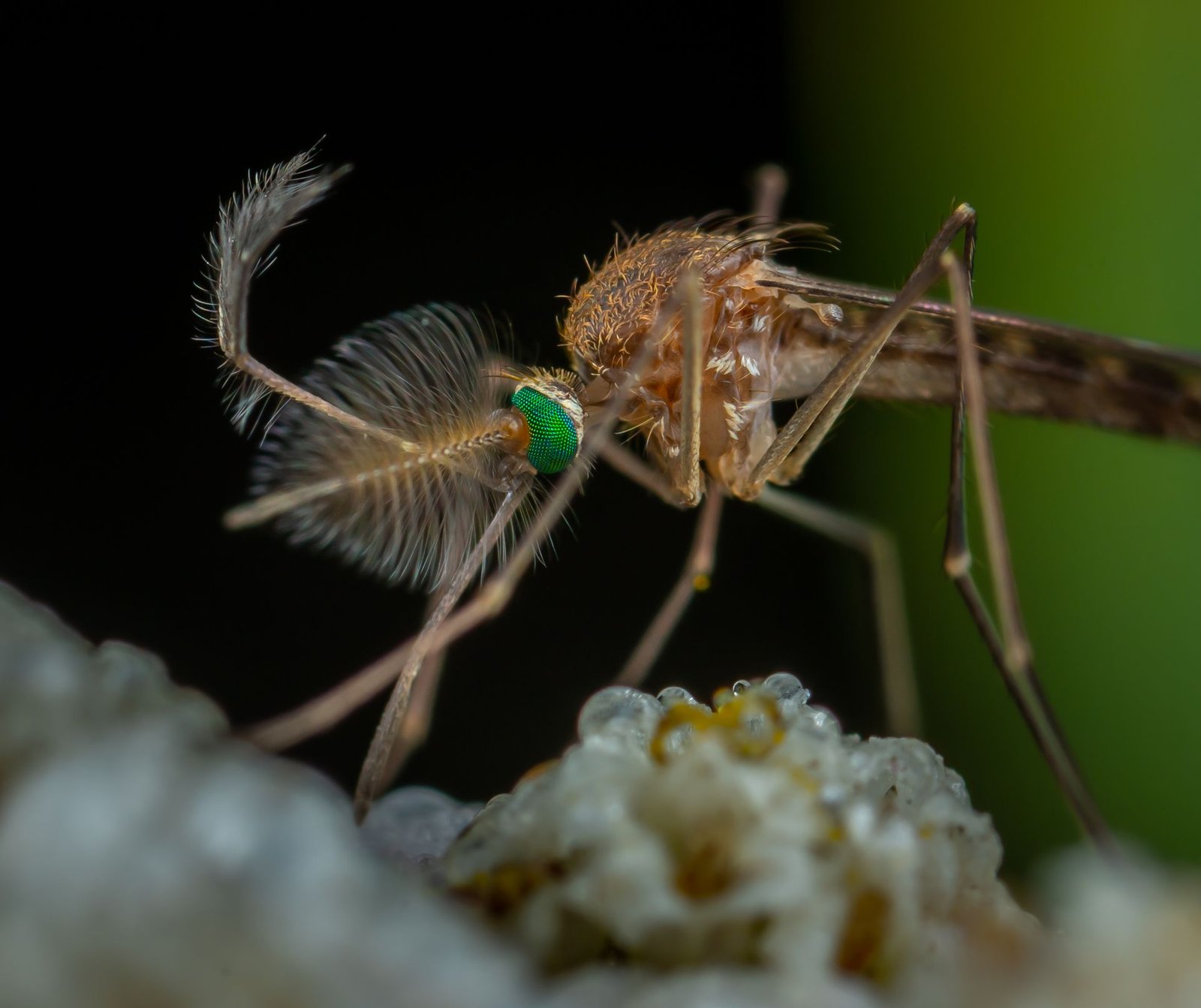
Dengue used to be a disease Americans brought home from somewhere else. A holiday in the Caribbean, a work trip to Latin America, a family visit to Puerto Rico, and then a fever a week later that a doctor would recognise as imported. In 2026, that pattern broke in Florida. The mosquitoes there are now spreading the virus themselves, and the outbreak centred on Tampa Bay has become the largest dengue outbreak in a US state in decades.
The latest figures come from the Florida Department of Health’s weekly arbovirus report for 8 to 14 November, which counted 651 locally acquired dengue cases in the state this year, alongside 451 cases linked to travel. The epicentre is unmistakable: Hillsborough County, home to Tampa, accounts for 487 of the local cases, and neighbouring Pinellas County for 116. The count has climbed all autumn. At the end of October the state had 524 locally acquired cases. In the first week of November alone, 100 new ones were added, taking the total past 600. The Associated Press reported in October that the outbreak had already surpassed Hawaii’s 2015-2016 outbreak and Florida’s own previous record year, 2023, to become the largest in a US state for several decades.
There is a human story behind the count, and it is a sad one. In early September, a Tampa-area woman named Gay Rabb Small died of dengue on her 80th birthday, after developing a tremor and going to the emergency room. She is the outbreak’s only reported death so far, but her death changed the tone of the response. Later that month, three counties declared local emergencies, and in October the Centers for Disease Control and Prevention issued a national emergency response to dengue. Hillsborough County has extended its local state of emergency until 26 November, and mosquito control teams have intensified spraying and larvicide work across the Tampa area.
Dengue is a viral disease spread by mosquitoes, mainly Aedes aegypti and Aedes albopictus, both of which are well established in Florida. An infected mosquito bites a person, the virus incubates for roughly two weeks, and the illness begins. Most people develop a sudden high fever with severe headache, pain behind the eyes, joint and muscle pain, nausea and a rash. It is often called breakbone fever, and the name is not an exaggeration: people who have had it describe the joint pain as among the worst they have ever felt. There is no specific cure. Care is supportive, with rest, fluids and fever control, and most people recover in a week or two. But a small proportion develop severe dengue, which can cause bleeding, organ damage and dangerously low blood pressure. The warning signs are severe abdominal pain, persistent vomiting, bleeding from the gums or nose, blood in vomit or stool, extreme tiredness and restlessness. Anyone with those symptoms needs hospital care urgently.
The obvious question is why Florida, and why now. Part of the answer is travel: dengue has been very active worldwide this year, and the World Health Organization reports more than 2.5 million cases globally in 2026, with 1,503 deaths. Florida, a transit hub with constant traffic from Puerto Rico and other places where the virus circulates, imports more infected travellers than anywhere else in the country. The new part is what happened after they arrived. In previous years, most Florida cases were travel-associated, and local transmission was limited to a handful of cases. This year, locally acquired cases have overtaken travel-related ones, which means the virus is now circulating in local mosquito populations rather than simply arriving in suitcases. “It is very unusual to have transmission in the United States,” Eva Harris, an infectious diseases expert at the University of California, Berkeley, told the New York Times. “This is so very much of an eye-opener.”
The picture beyond Florida is worth knowing too. As of 4 November, the CDC had recorded 2,678 dengue cases across the United States and its territories in 2026, of which 1,892 were locally acquired. Most of those are in Puerto Rico and American Samoa, where the virus is endemic. On the mainland, Virginia is the only other state to report locally acquired infections this year. The CDC has also updated its travel guidance, adding Cuba, Ecuador, Panama and Peru to the list of countries where travellers face an increased risk of dengue. For anyone travelling to the Americas this winter, that is worth checking before departure.
There is a glimmer of better news in the most recent data. In the week of 8 to 14 November, Hillsborough County reported 19 new local cases, its lowest weekly count in 12 weeks, and health officials say the pace is slowing. Cooler weather usually reduces mosquito activity, though reporting delays mean that cases from late October and early November are still being counted, and officials are clear that it is too early to declare the outbreak over. “I think the dengue outbreaks will get worse over the coming years in the U.S.,” Ira Longini, a biostatistician at the University of Florida, told the Times, pointing to warmer winters, more travel and the steady northward spread of the mosquitoes that carry the virus.
For people living in or visiting affected areas, the advice is practical and familiar to anyone who has lived through a mosquito season, but it is worth taking seriously. Use insect repellent, wear long sleeves and trousers at dawn and dusk when Aedes mosquitoes are most active, and make sure window and door screens are intact. Empty standing water from pots, buckets, bird baths and clogged gutters, because that is where these mosquitoes breed, and they can breed in as little as a bottle cap of water. If you develop a high fever with severe headache and joint pain within two weeks of a mosquito bite or a trip to an affected area, tell your doctor about the exposure: dengue is easy to miss if nobody asks the right question.
Florida has lived with the idea of dengue as a traveller’s disease for a long time. This autumn has shown that it can also be a neighbour’s disease, spread by a mosquito in a back garden in Tampa. The outbreak is slowing, but the lesson is likely to last longer than the mosquitoes: in a warming country with more travel than ever, diseases that used to stay overseas are finding their way home.