
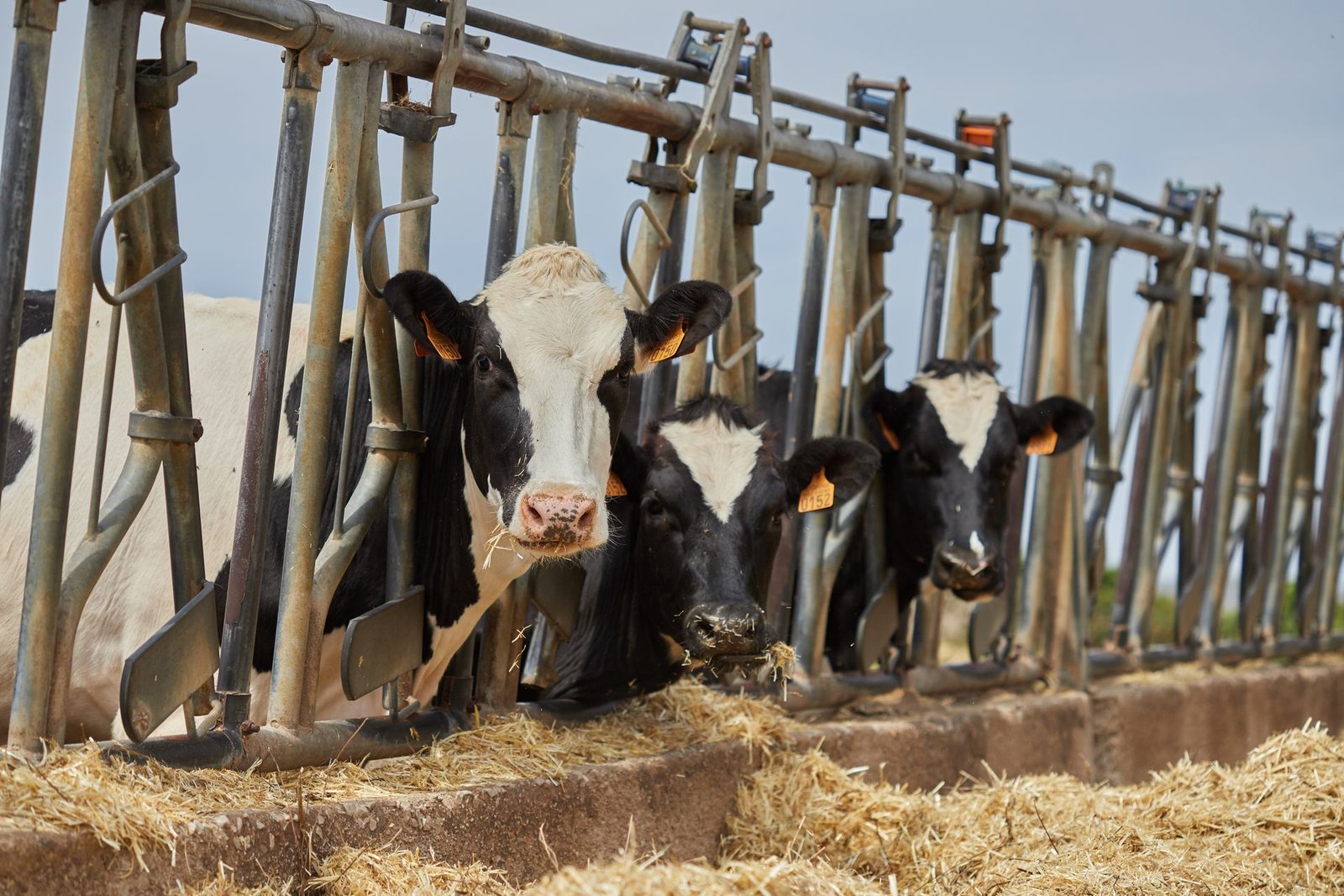
Bird flu has killed a person in the United States after exposure to infected dairy cattle, the World Health Organization confirmed on Tuesday, in a development that health officials have been dreading since the virus first jumped from birds into America’s dairy herds. The death, in Washington state, is the first reported anywhere in the world following contact with infected cows or a contaminated farm environment, and it comes alongside two further confirmed human infections among workers on the same stretch of dairy country.
The three cases were all adults working on dairy farms in Yakima County, in central Washington, where the H5N1 virus had recently been found in cattle. They fell ill between 16 October and 4 November. One of them died. The WHO, which announced the cases on 25 November, said investigations and monitoring of exposed workers and close contacts are still going on, and the US Centers for Disease Control and Prevention is working with state health departments to track everyone who may have had contact with infected animals.
For most Americans, the message from the WHO is deliberately reassuring: the risk to the general public remains low. But the same statement carries a second, quieter message aimed at the people who work closest to the animals. For those exposed to the virus at work, the WHO now assesses the risk of infection as low to moderate. That distinction matters, because it is the farm workers, the milkers, the people cleaning out barns and handling sick animals, who stand between a virus that mostly circulates in animals and the rest of us.
H5N1 is a subtype of influenza A that normally infects wild and domestic birds. Over the past few years it has shown an unsettling talent for spilling over into mammals, from foxes and seals to, most consequentially, dairy cattle. The American dairy outbreak, which began in early 2024, has now spread through herds in state after state, and with it has come a slow drip of human infections, almost all of them in people who work directly with cattle or poultry. Until now, those infections had been mostly mild: sore eyes, a cough, a fever that passed. A death changes the arithmetic, even if it is a single case.
What exactly happened to the person who died has not been made public in detail, and the WHO has not released the patient’s age, medical history or the precise course of the illness. That is normal in the early days of a case like this, when health departments are still interviewing contacts and piecing together the chain of exposure. What is known is that the illness followed exposure to infected dairy cattle or to an environment contaminated by them, and that the fatal case is the first of its kind tied to cattle. Previous American deaths from H5N1, of which there have been very few, were linked to birds, not cows.
The virus can be a shape-shifter in people. According to the WHO, human infection with bird flu viruses can cause anything from mild conjunctivitis or upper respiratory symptoms to severe, life-threatening illness. That wide range is part of what makes the virus hard to manage: a worker with red eyes and a scratchy throat may have nothing worse than a passing infection, or may be the early warning of something far more serious. The guidance from health officials has been consistent for months: anyone who works with dairy cattle, poultry or other animals that could carry the virus should watch for symptoms, report them quickly, and wear protective equipment, including eye protection, gloves and masks, when handling sick animals or cleaning contaminated areas.
There is also a formal reason the WHO announced these cases the way it did. Under the International Health Regulations, any human infection caused by a new influenza A subtype counts as a potentially significant public health event and must be reported to the WHO. That rule exists precisely so that a single unusual case, in one county, in one country, reaches the world’s attention within days rather than weeks. It is the same machinery that flagged the first human cases of earlier pandemic threats, and it is working as designed here.
The obvious question, and the one every reader will ask, is whether this means the virus is getting closer to spreading between people. On the evidence available, the answer is no, or at least not yet. The WHO has found no sign of sustained human-to-human transmission of this virus, and it continues to assess the risk to the general public as low. The three Washington cases were all in people with direct occupational exposure to infected cattle. That pattern, exposure at work rather than infection passed along in a household or a community, is what officials look for, and so far the pattern has held.
But the death does sharpen a debate that has been running quietly among virologists for more than a year. H5N1 has now had millions of opportunities to adapt to mammals, in cattle, in poultry, in wild animals, and each infection in a person is another roll of the dice. The virus does not need to become a pandemic strain to be dangerous; it only needs to keep finding its way into people who work with animals, and occasionally to find someone whose lungs or immune system cannot cope with it. The Washington fatality is a reminder that the mild cases that have dominated the headlines are not the whole story.
For the dairy industry, the case is also a practical problem. Farms in Yakima County and across the country have been living with the virus for two seasons now, testing herds, isolating sick animals, and trying to keep milk flowing while workers stay safe. The federal response has leaned on monitoring: testing cattle, tracking exposed workers, offering seasonal flu vaccination to farm workers so that a common flu virus and H5N1 do not meet in the same person and swap genes. That last precaution sounds abstract, but it is one of the oldest worries in influenza science. Two flu viruses infecting the same cell can trade segments of their genetic code, and that is how new pandemic strains have been born before.
What should ordinary people do? The official advice has barely changed, and that is itself the point. Do not drink raw milk. Do not handle sick or dead birds or animals. Cook poultry and eggs properly. And if you work on a farm, take the protective equipment seriously, even when it is uncomfortable, and report symptoms early rather than working through them. The milk supply, officials stress, remains safe: pasteurisation kills the virus, and milk from sick cows is kept out of the supply chain.
The Washington cases will be watched closely in the coming weeks, not because anyone expects a sudden surge, but because the details matter. How sick were the two survivors? How long did it take for symptoms to appear after exposure? Did anyone who was in close contact with the patients fall ill? Those answers will shape the next round of guidance, and they will tell scientists whether this virus is behaving the way it has behaved before, or whether something has shifted.
For now, the story is contained: three workers, one county, one death that should not have happened and, health officials hope, will not be repeated. But it is also a marker. The first death linked to dairy cattle exposure closes a chapter in which the cattle outbreak could be described as an animal problem with occasional human side effects. From here on, it is a human health story as well, and the people most at risk are the ones doing the milking.