
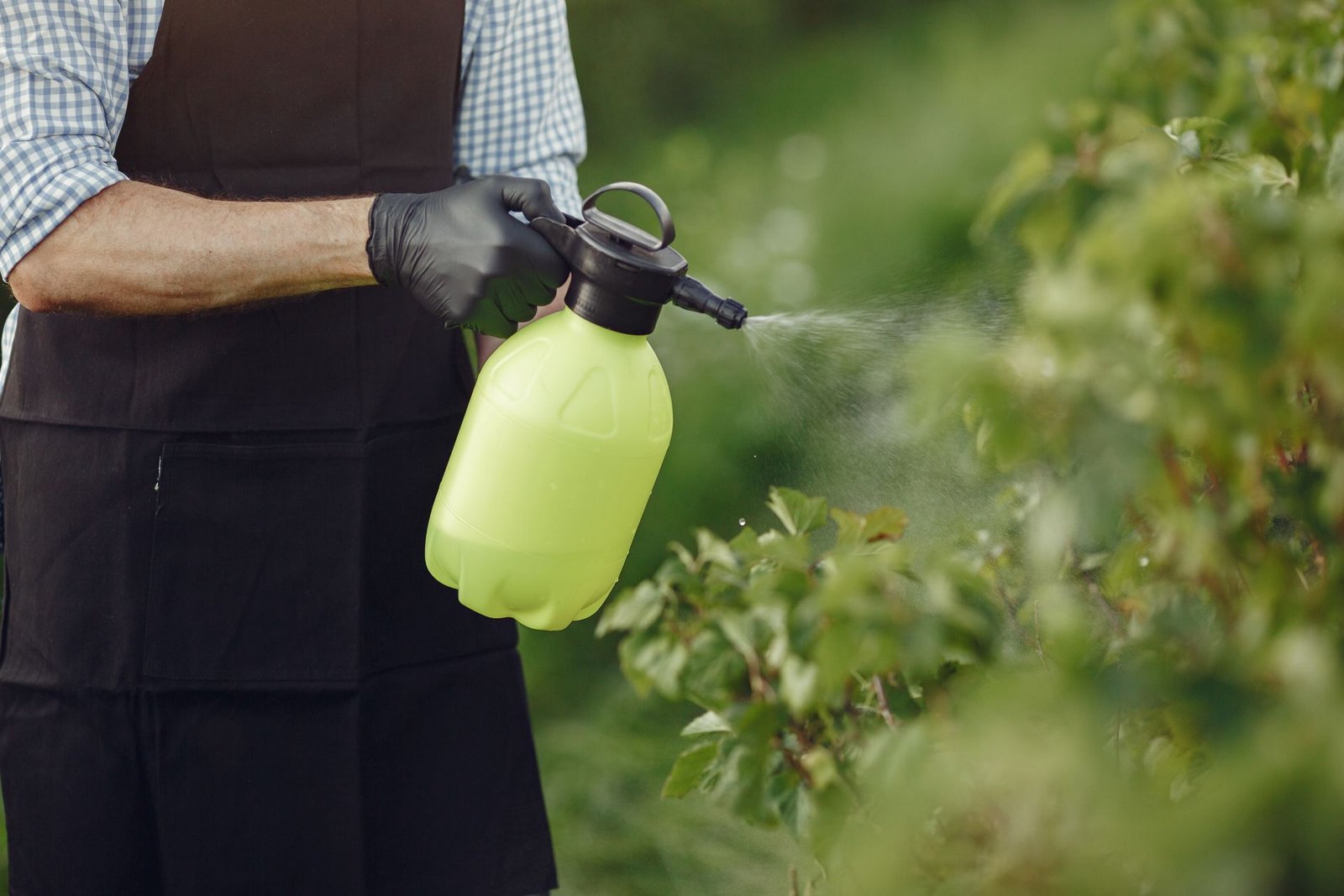
A Missouri judge has approved Bayer’s $7.25 billion settlement of lawsuits claiming that its weedkiller Roundup causes cancer, a decision that could finally bring to an end a decade of litigation that has weighed on the company since it bought Monsanto in 2018.
St. Louis Circuit Judge Timothy Boyer granted final approval to the nationwide class settlement on Friday, 20 November, rejecting all objections to the deal. In a written judgment, he found that the settlement was “fair, reasonable and adequate” and that the total amount was “among the largest in the history of mass tort personal-injury class action settlements.”
The settlement covers people who say they were exposed to Roundup and developed non-Hodgkin lymphoma, a cancer of the lymphatic system. It applies both to people who are already ill and to people who may be diagnosed with the disease in the future. Individual payouts will range from $10,000 to $165,000 on average, depending on how the person used the product, how old they were when they were diagnosed, and how severe their illness is. The settlement also includes $600 million for attorneys’ fees.
Bayer will fund the deal through annual payments into a special fund over a period of up to 21 years, with the payments declining over time and capped at a total of $7.25 billion, including amounts the company has already paid. Bayer chief executive Bill Anderson called the approval “a decisive milestone in the company’s strategy to mitigate the risks of both pending and future Roundup litigation.” The court’s order remains subject to appeal, so the matter is not yet fully closed.
The settlement is structured around two groups of claimants. The first includes people who were exposed to Roundup before 17 February 2026 and already have a diagnosis of non-Hodgkin lymphoma. The second includes people who receive a diagnosis of the disease before the end of a 16-year period following final approval of the agreement. That second group is unusual, and it is what makes this settlement different from the many deals Bayer has struck before: it is designed to resolve not only the claims that exist today, but also the claims that have not yet been made, by people who do not yet know they are ill.
That future-looking design is the reason the settlement took so long to win approval, and why it matters so much to Bayer. The company has spent years, and billions of dollars, settling Roundup claims one batch at a time, only to face a fresh wave of new lawsuits. By creating a long-term claims programme that covers future diagnoses, Bayer hopes to put a ceiling on a liability that has, until now, had no clear end. Combined with a favourable ruling from the United States Supreme Court in June in a case known as Durnell, in which the court ruled 7 to 2 that federal pesticide law pre-empts “failure-to-warn” claims brought in state court, the settlement forms what Bayer describes as mutually reinforcing pillars of its strategy to contain the litigation.
The story of Roundup is, by now, one of the most familiar in American corporate law. Roundup’s active ingredient is glyphosate, the most widely used herbicide in the world, sprayed on farms, gardens, parks and roadsides across the country. Monsanto, the company that developed it, insisted for decades that it was safe. Then, in 2015, the International Agency for Research on Cancer, part of the World Health Organization, classified glyphosate as “probably carcinogenic to humans.” In 2018, a California jury awarded a school groundskeeper with non-Hodgkin lymphoma $289 million, finding that Monsanto had failed to warn users of the risk. More verdicts followed, and tens of thousands of lawsuits piled up.
Bayer bought Monsanto in 2018 for $63 billion, a deal that was supposed to make it a leader in agriculture. Instead, it inherited one of the largest mass torts in American history. The company’s share price fell sharply, its chief executive was ousted, and it has since paid out billions in settlements while continuing to insist that Roundup is safe and that the scientific evidence does not support the claims against it. The settlement approved on Friday does not include an admission that Roundup causes cancer, and Bayer has not changed its position on the science.
That science remains contested. Regulatory agencies in the United States and Europe, including the Environmental Protection Agency, have concluded that glyphosate is not likely to be carcinogenic to humans when used as directed. The World Health Organization’s cancer agency reached a different conclusion, and some independent studies have found an association between heavy, long-term exposure and non-Hodgkin lymphoma. The courts, meanwhile, have not been asked to settle the science; they have been asked whether Monsanto should have warned users about a possible risk, and juries have repeatedly said yes.
For the people who brought the claims, the settlement is a mixed outcome. On the one hand, it offers money without the years of waiting, uncertainty and legal expense that a trial would involve, and it guarantees that a fund will exist for people who are diagnosed in the future. On the other hand, the payouts, averaging tens of thousands of dollars, are far smaller than the verdicts that some individual plaintiffs won in court, and some claimants and their lawyers objected to the deal on exactly those grounds. Judge Boyer rejected those objections.
For Bayer, the approval is a relief, but not yet a release. The settlement still faces possible appeals, and the company still faces questions about the future of Roundup itself. It has already removed glyphosate from the version of Roundup sold to home gardeners in the United States, replacing it with other active ingredients, while continuing to sell the original formula to farmers. The long-term claims programme will run for up to 21 years, which means the company will be paying for this litigation well into the 2040s.
The case is a reminder of how long the consequences of a product can last once the science is disputed and the claims number in the tens of thousands. A $7.25 billion settlement is, as the judge noted, among the largest of its kind in American history. Whether it finally closes the book on Roundup will depend on whether the appeals fail, whether the claims programme works as intended, and whether the science, one day, gives a clearer answer than it has so far.