
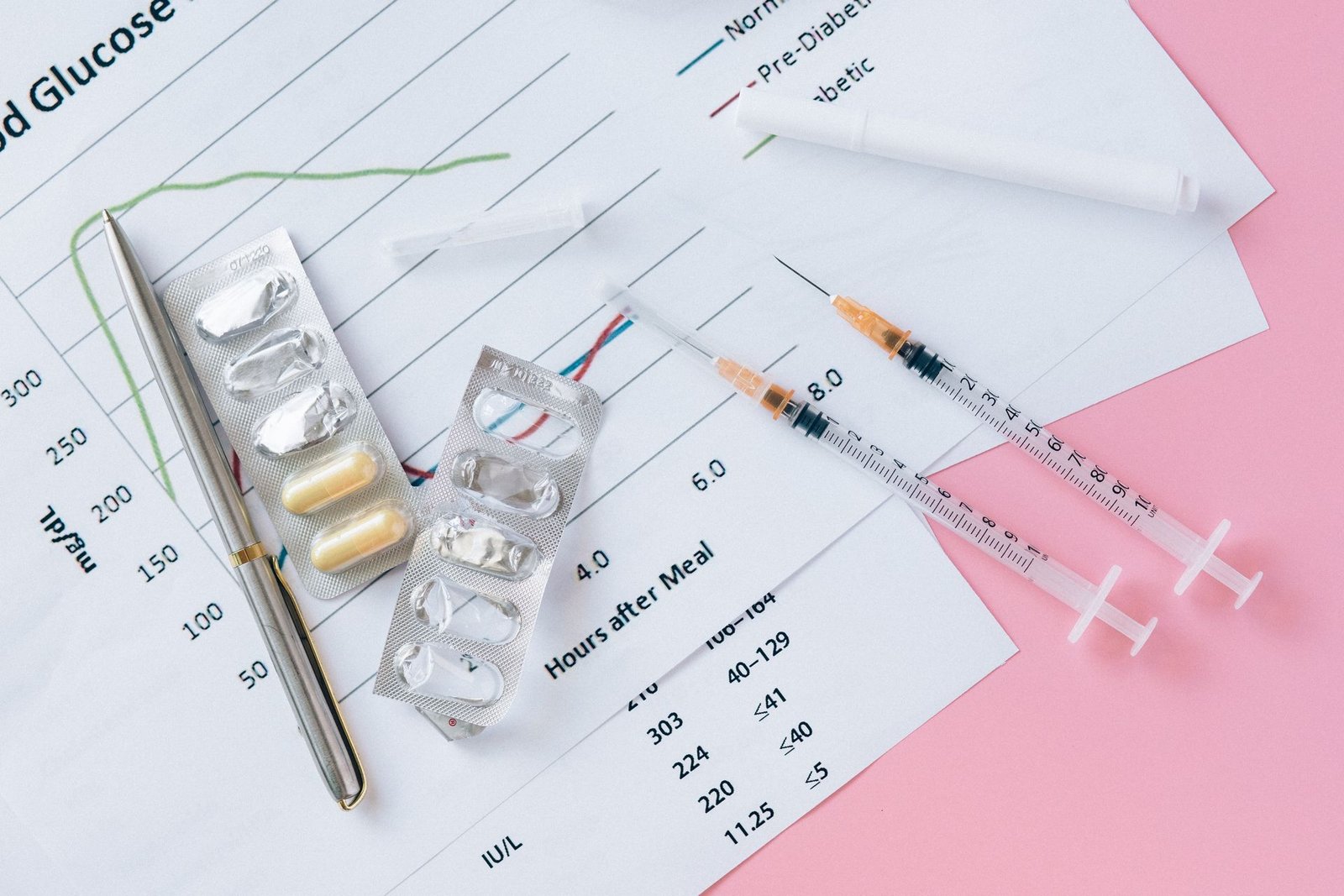
Stopping a GLP-1 weight-loss or diabetes drug may come with a cost that has little to do with the number on the scales. A large new study has found that people with type 2 diabetes who stopped their GLP-1 treatment faced about twice the combined risk of heart attack, stroke or death compared with people who kept taking it.
The research, published in The Lancet Regional Health Europe and reported in the BMJ on November 10, 2026, analysed real-world health records from more than 80,000 people. Its message matters because millions of people now take GLP-1 drugs such as semaglutide, and many stop, whether because of side effects, cost, or a belief that they have reached their goal weight. This study suggests that the decision to stop deserves far more care than it often gets.
GLP-1 receptor agonists were first developed for type 2 diabetes, and they have since become some of the most widely prescribed medicines in the world. They work by mimicking a gut hormone that lowers blood sugar, slows digestion and reduces appetite, and they have been shown in trials to cut the risk of heart attacks and strokes in people with diabetes. What has been much less clear is what happens when people stop taking them. Weight regain is well documented, but whether stopping actually translates into more heart attacks, strokes and deaths had barely been studied at all.
To answer that question, researchers turned to the database of the Italian Association of Clinical Diabetologists, which holds records from more than 300 diabetes clinics across Italy, collected between 2004 and 2024. They identified 80,302 people with type 2 diabetes and no established cardiovascular disease who had started a GLP-1 drug, and then followed them to see what happened next. Of those, 31,687 people, about 39.5 percent, were still on treatment at their last visit. The other 48,615, about 60.5 percent, had discontinued it, mostly after about a year. Using propensity score matching to compare like with like, the researchers built two balanced groups of 28,713 people each, one that continued treatment and one that stopped.
The results were striking. The combined risk of a non-fatal heart attack, a non-fatal stroke, or death from any cause was about twice as high in people who stopped GLP-1 treatment as in those who continued, with an incidence rate ratio of 2.01 and a 95 percent confidence interval of 1.77 to 2.28. In practical terms, that worked out at roughly four events per hundred people per year among those who stopped, compared with about two per hundred among those who continued. Deaths from any cause were also higher, at about 2.2 per hundred people per year versus 0.5, although the authors themselves said that stopping the drug alone was unlikely to explain a gap that large.
The link appeared stronger in people living with obesity. Among those with a body mass index of 30 or above, the risk was 127 percent higher after discontinuation, compared with 61 percent higher in people without obesity. It is also a reminder that GLP-1 drugs are not simply weight-loss aids. For people with type 2 diabetes, they are cardiovascular medicines too, and their benefits extend well beyond the bathroom scales.
There is, however, a large and important caveat, and the researchers and independent experts have been careful to state it plainly. This was an observational study, not a randomised trial, so it cannot prove that stopping the drugs directly caused the extra heart attacks, strokes and deaths. It can only show that the two things happened together. People who stop a medicine are often different from people who keep taking it. They may be sicker, frailer, or dealing with another illness such as cancer. They may have stopped because of side effects, because they could no longer afford the prescription, or because a doctor decided the drug was no longer appropriate. The study did not have information on why each individual stopped, and that missing detail matters a great deal.
One detail in the study makes that caution even more important. After people stopped their GLP-1 treatment, their weight, blood sugar and blood pressure changed only modestly, and by similar amounts whether or not they went on to have a heart attack, a stroke or die. If stopping the drug were driving the risk purely through weight regain or worsening blood sugar, you would expect the people who suffered events to show the biggest deterioration. They did not. That suggests something more complicated is going on, and that stopping treatment may partly be a marker of worsening health rather than the cause of it.
The study also has limits that narrow how far its findings can be stretched. The records run from 2004 to 2024, which means most participants were taking older GLP-1 drugs. Only just over 8,000 people, about 14.3 percent of the participants, were on semaglutide, and none were on tirzepatide, the newer drug that has since become hugely popular. The findings also apply to people with type 2 diabetes and no previous cardiovascular disease, so they cannot simply be extended to people taking these drugs for obesity alone, without diabetes.
None of that makes the study unimportant. It is the largest investigation yet of what happens after GLP-1 treatment ends, and it gives doctors and patients something they have lacked: real evidence that stopping is not a neutral act. The authors conclude that long-term GLP-1 use may be important for maintaining the drugs’ overall health benefits, while acknowledging that more research is needed to work out whether stopping directly contributes to the risk.
For anyone taking a GLP-1 drug, the practical message is simple and worth repeating. Do not start these medicines casually, and do not stop them without talking to your doctor. Side effects, cost and inconvenience are real reasons people stop, and they deserve honest discussion rather than silent discontinuation. A clinician can talk through whether a lower dose, a different drug, a planned taper, or a maintenance plan might work better than stopping outright. The goal was never just to lose weight. It was to protect metabolic health and the heart in the long run, and this study suggests that protection may fade faster than the weight returns.