
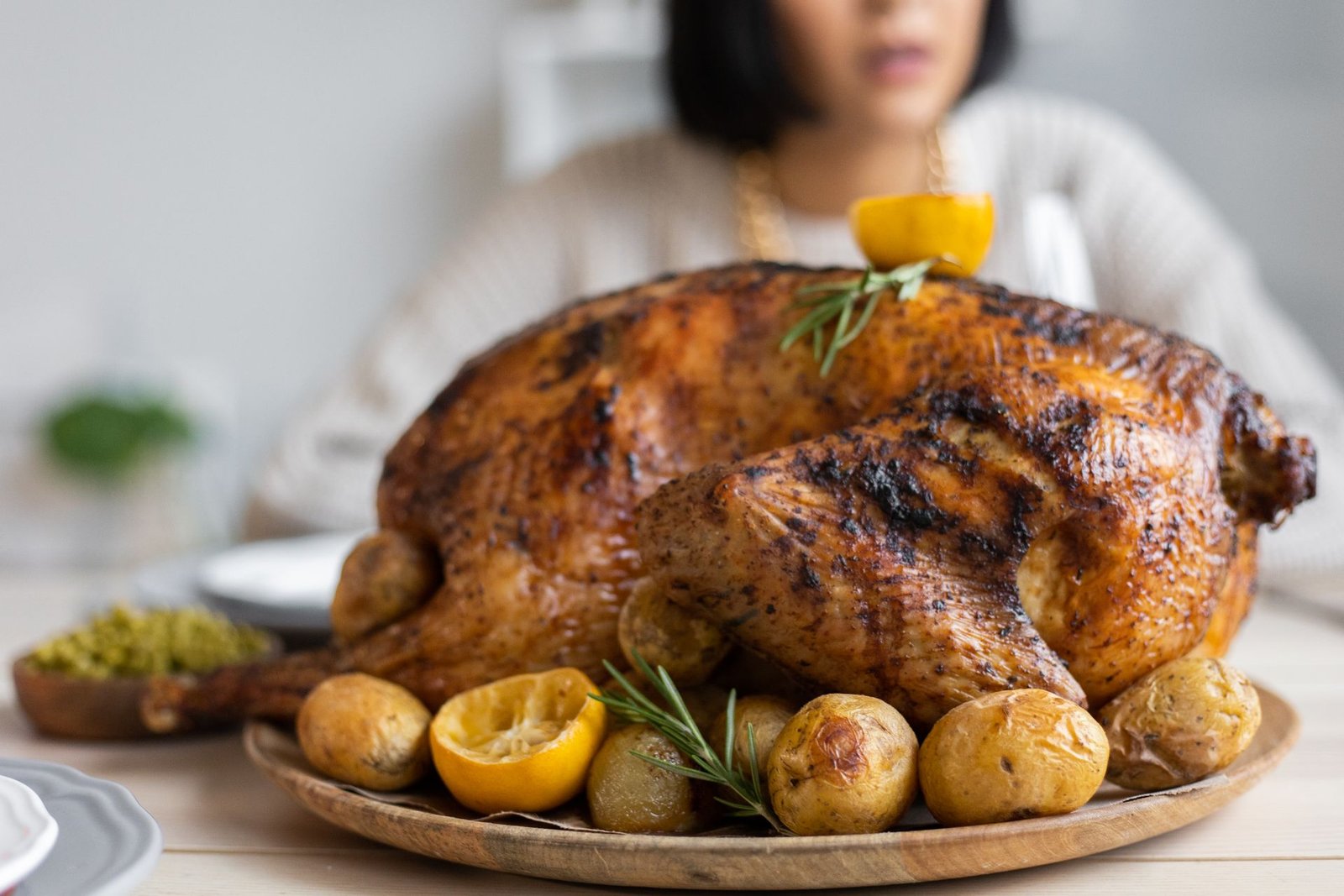
If your Thanksgiving grocery list felt a little heavier this year, you were not imagining it. Hosting the big meal for ten people will cost about $58.63 in 2026, according to the American Farm Bureau Federation’s annual survey — the first time the price of the classic Thanksgiving dinner has gone up since 2022. That works out to roughly $5.86 per person, and while it is not a dramatic jump, it ends a run of falling prices that had made the last few holidays a little easier on the family budget.
The turkey is the main reason. The bird alone makes up about 40 percent of the cost of the whole meal, and the average price of a 16-pound frozen turkey has climbed to $23.68 — up 10 percent from last year. It is the biggest increase of any item on the table. Cranberries are nearly 9 percent more expensive, milk is up by a similar amount, dinner rolls cost about 7 percent more, and three pounds of sweet potatoes will set you back 5 percent more than they did a year ago. Almost everything on the traditional menu has crept upward at once.
The survey itself is a long-running American tradition. Every year, volunteer shoppers from the Farm Bureau check prices in grocery stores during the first week of November, before the last-minute sales and discounts kick in during the days just before the holiday. They price the same basket of foods each year: turkey, stuffing, sweet potatoes, rolls, peas, cranberries, a relish tray of carrots and celery, pumpkin pie with whipped cream, and coffee and milk. Because the basket never changes, the survey is one of the cleanest ways to see how the cost of the same meal moves from one year to the next. The Farm Bureau has run it since 1986, and in that time it has become a fixture of Thanksgiving week itself — quoted in newsrooms across the country the moment the numbers come out, and argued over by anyone who thinks their own grocery bill tells a different story.
There is some nuance behind the headline number. The Farm Bureau’s volunteers shop early, so their prices do not capture the deep discounts many stores roll out in Thanksgiving week itself. A separate analysis from the Wells Fargo Agri-Food Institute, which includes dessert in its basket, put the cost of a meal for ten at $78.93 this year — actually down 0.4 percent from a year ago. The two surveys measure slightly different things, but both point to the same story: the days of Thanksgiving dinner getting cheaper every year are over, and the turkey in particular is doing the damage.
Why is the turkey more expensive? Part of it is the cost of getting food to the store. Diesel prices are near record highs, with the national average at $5.81 a gallon on Monday, according to AAA — and diesel is what powers the trucks that move turkeys, cranberries and canned pumpkin from farms and processing plants to supermarket shelves. When transport costs rise, they show up in the price of everything on the truck. Retailers have also been absorbing some of the extra cost themselves to keep shoppers coming through the door, which is why the increase is measured in single digits rather than something much worse.
For many families, the pressure is real even if the numbers look small. A report from financial marketplace LendingTree found that more than half of surveyed consumers say inflation is affecting their Thanksgiving plans or budgets. Nearly two in three potential hosts said they may need to borrow to cover the holiday, and 18 percent said they planned to use buy now, pay later loans. Thanksgiving is supposed to be the one day a year when the whole family sits down together; the idea that a growing number of hosts are reaching for credit to pay for the turkey is a quiet sign of how tight household budgets have become.
The good news is that the big grocery chains are competing hard for Thanksgiving shoppers, and the deals are genuinely good if you know where to look. Walmart is offering a meal for ten for about $35, or $3.50 a person, with 18 percent more items than last year — including the turkey, corn muffin mix, canned vegetables and russet potatoes. Target’s meal for six costs about $30, with turkey at 79 cents a pound, plus russet potatoes, cranberry sauce, green beans and the rest. Costco has a prepared Thanksgiving dinner for eight people at $200, covering 30 pounds of food from turkey breast to pumpkin pie. These bundles are the stores’ way of absorbing some of the inflation themselves, betting that a cheap Thanksgiving will bring shoppers back for the rest of the holiday season.
There is a practical lesson in all of this for anyone still planning their meal. First, shop the bundles before you shop the shelves: a store’s Thanksgiving meal deal is often cheaper than buying every item separately, even if you already have half the ingredients at home. Second, watch the turkey price per pound rather than the total — a smaller bird at a good price per pound can be better value than a big one at a premium. Third, remember that the Farm Bureau’s prices were checked in early November, so the sales in Thanksgiving week itself may be kinder than the survey suggests.
Thanksgiving has always been a holiday about abundance, and a $58.63 dinner for ten is still, by any measure, a bargain for a feast that feeds a whole family. But the first price rise in four years is a reminder that even the most traditional American meal is not immune to the wider economy. The turkey costs more, the cranberries cost more, and the fuel that delivered them cost more too. This year, the smartest Thanksgiving hosts are the ones who plan ahead, compare the bundles, and let the stores compete for their business. The meal itself will taste the same — it just takes a little more planning to keep it affordable.