
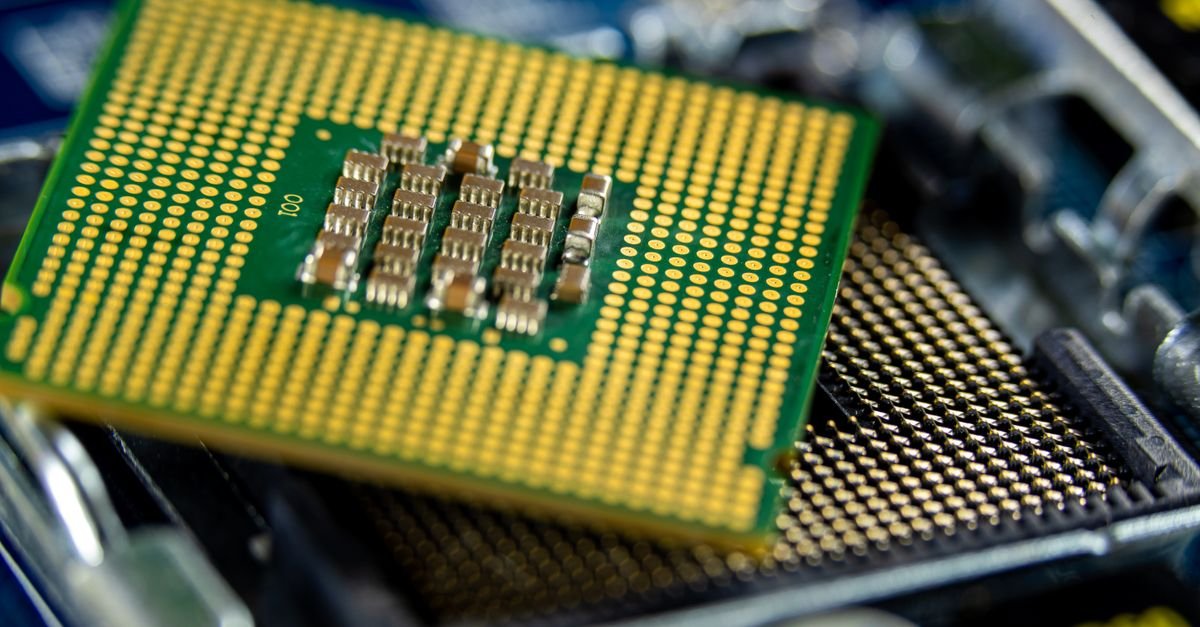
Some of the most powerful AI chips in the world were never supposed to reach China. The United States has banned their export, and the president has said he does not want them sold there. Yet according to a new report, those very chips have turned up inside a data centre in Shanghai, linked to a woman at the centre of a growing smuggling scandal.
Bloomberg reported on 27 November 2026 that Nvidia’s advanced Blackwell AI chips were found installed at a Shanghai data centre linked to Alice Huang, the woman at the centre of a controversy around Nvidia. Documents submitted to Chinese regulators in November, reviewed by Bloomberg, are the first evidence that Blackwell processors reached a Chinese data centre tied to Alice Huang and Megaspeed. Until now, the story had been about suspicions and discrepancies. Now there is paperwork, serial numbers and loan filings that put the chips in a specific place.
The gear at the facility, known as the Yangtze River Delta Project, included a GB300 NVL72 rack, among Nvidia’s most powerful products, identified by a serial number in the filings. Shanghai Shuoyao offered the rack as collateral for a 96 million yuan loan from Shanghai Innovation Bank, about 14 million dollars. A second firm, Shanghai Kezhan, controlled by a Tokyo-based parent, described a GB200 server, also Blackwell-based, at the same facility. In other words, this was not a single stray chip in a warehouse. It was high-end server equipment, installed and in use, valuable enough to be pledged against millions of dollars in loans.
To understand why that matters, it helps to know what a GB300 NVL72 rack actually is. A standard rack, about two metres tall, contains 72 Blackwell Ultra chips and 36 Grace processors. These are the building blocks of the most advanced AI systems in the world, the kind of hardware used to train large AI models and run them at scale.
Bloomberg checked the rack’s serial number in a public warranty database and found it was manufactured by Taiwan’s Gigabyte Technology, which assembles Nvidia chips into servers and racks. Bloomberg gave Gigabyte the serial number and asked to whom it originally sold the hardware and when. Gigabyte declined to answer. That silence leaves a gap at the centre of the story. Somewhere between a factory in Taiwan and a data centre in Shanghai, a piece of equipment worth millions changed hands, and nobody is saying how.
The companies involved are closely connected to a wider investigation. Shanghai Shuoyao is active at the data centre linked to Alice Huang and has significant overlap with Singapore-based Megaspeed, which is under US investigation over concerns it smuggled Nvidia chips to China. Megaspeed is one of Nvidia’s largest customers in Southeast Asia. Shanghai Shuoyao confirmed this month in a rare public statement that it is one of Megaspeed’s service providers, describing the partnership as “limited to ordinary commercial cooperation”. It had not responded to Bloomberg queries over the past year.
The links run further. Japanese company NexPower holds an 83.3 percent stake in Shanghai Kezhan and is reportedly controlled by Alice Huang. Shanghai Innovation Bank also provided a 200 million yuan loan to another company, Shanghai Longjie, similarly with restricted Nvidia chips as collateral. The filings only cover hardware offered as collateral for loans, a small snapshot, but they show that some Chinese financial institutions, including ones with government ties, knew restricted hardware was getting into China and were willing to lend against it.
The legal position is clear, even if the route the chips took is not. Supplying Blackwell chips to China without the relevant US licence is illegal. Blackwell chips are subject to US export controls, and US President Donald Trump has said he does not currently want to allow exports of these chips to China. The rules exist because these chips power AI systems that could shape everything from scientific research to military technology, and Washington has decided that China should not have access to the most advanced versions.
This is not the first time questions have been raised about Megaspeed. Bloomberg reported on 9 November a discrepancy of around 50,000 Nvidia chips between Megaspeed shipments and Nvidia’s reports to US authorities. The new filings do not close that gap, and it remains unclear how the Blackwell chips entered China. What they do is move the story from numbers on a spreadsheet to physical hardware in a named building.
The market noticed. Nvidia shares fell as much as 2.6 percent to 145.39 dollars after markets opened in New York on 27 November. Investors are watching closely: any sign that its most advanced chips are reaching China despite the ban raises questions about its sales, its compliance and its relationship with regulators in Washington.
For the wider technology world, the report is a reminder of how hard export controls are to enforce. A chip can be made in one country, assembled into a server in another, sold to a customer in a third, and end up in a data centre in a fourth, with each step looking ordinary on its own. The paperwork that exposed this case only came to light because the hardware was offered as collateral for loans, and the filings were submitted to regulators. Without those loan documents, the chips might never have been found.
There are still more questions than answers. Who originally bought the rack from Gigabyte, and when? How did it travel from Taiwan to Shanghai? Who else knew it was there? The US investigation into Megaspeed continues.
What is certain is that the most advanced AI hardware in the world is now confirmed to be operating inside China, in a data centre linked to the woman at the heart of the smuggling scandal. The export controls were designed to prevent exactly that, and whether they can be fixed is now the question Washington, Nvidia and the whole AI industry will have to answer.