
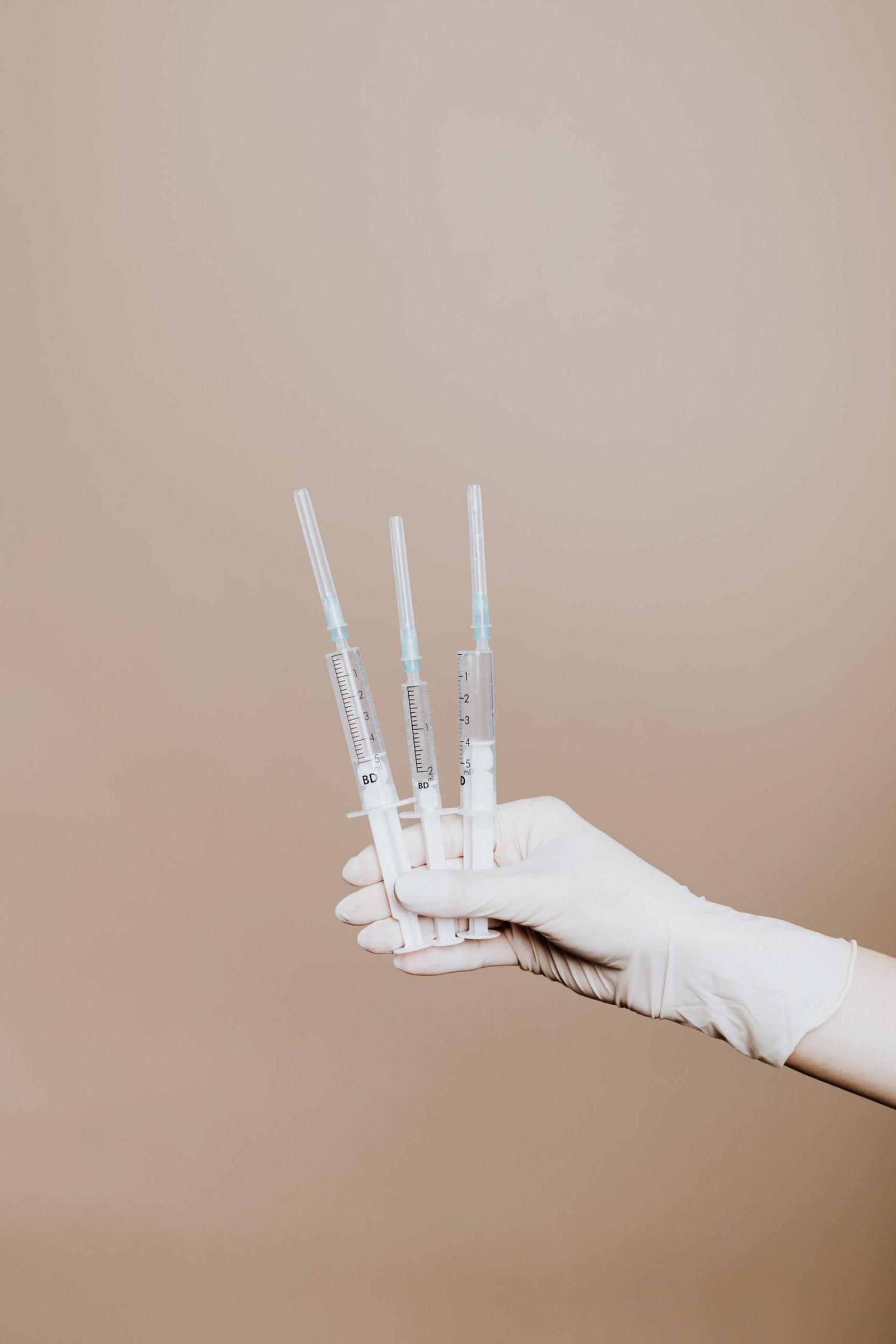
If you get your weight-loss or diabetes shots from a compounding pharmacy rather than from a big-name brand, this is a recall worth checking right now. The US Food and Drug Administration has announced a voluntary recall of 261 pharmaceutical products made by Greenwich Rx, a compounding pharmacy in Tomball, Texas, including compounded versions of the popular GLP-1 drugs semaglutide and tirzepatide. The problem is not the drugs themselves. It is whether the vials were made cleanly enough to be injected safely.
That distinction matters, because the medicines at the centre of this recall are the same active ingredients found in Ozempic, Wegovy, Mounjaro and Zepbound, drugs that millions of Americans now use every week. Compounded versions are mixed up by individual pharmacies, often at a lower price and often when the branded products are hard to get. They are not the same as the branded drugs, and they are not individually reviewed and approved by the FDA for safety, effectiveness and quality before they are sold. When a compounding pharmacy’s sterility practices come into question, every injectable it made in the affected window comes under suspicion, and that is exactly what has happened here.
The recall covers 261 products in total, and the list is long. It includes injectable formulations of Semaglutide with vitamin B12, Tirzepatide with vitamin B12, Tirzepatide with glycine, and Semaglutide with glycine, in various sizes and strengths. It also reaches beyond weight-loss drugs: certain glutathione products with an expiration date of 19 December 2026 and NAD+ injectable products expiring by 30 November 2026 are included too. Some of the recalled medications were prepared for distribution through another pharmacy, Clove Rx, based in Staten Island, New York. The affected products were sold nationwide between 10 August and 21 September 2026, which means patients in every state could have received one.
The reason for the recall is a potential lack of sterility assurance. That phrase sounds technical, but the risk behind it is straightforward. An injectable drug goes straight past the skin and into the body, so anything living in the vial goes with it. If a batch was not made under properly sterile conditions, bacteria or other microorganisms could be present, and an injection could cause an infection that ranges from a sore, red injection site to a serious, even life-threatening illness. The FDA said the concerns emerged after an inspection of Greenwich Rx and the pharmacy’s own assessment of the affected products.
Greenwich Rx has stressed that it has not found evidence of contamination in the recalled products, and that it has not received reports of adverse events linked to them. The recall is precautionary. That is reassuring as far as it goes, but it is not a guarantee: the absence of reported problems does not prove that every vial was safe, and that is why the FDA and the pharmacy are asking patients and clinicians to check their stock rather than assume the best.
So what should you do if you use compounded semaglutide or tirzepatide? First, check the product and lot number against the official Greenwich Rx recall list, which the FDA has published. If you find a match, contact your pharmacist or the clinician who prescribed it before using another dose. Do not keep injecting a recalled product while you wait for advice, and do not stop or change your treatment plan on your own without talking to a healthcare professional, because abruptly stopping a diabetes medicine carries its own risks. Watch for signs of an infection after any recent injection: redness, swelling, increasing pain or warmth around the injection site, fever or chills. Severe or fast-worsening symptoms need urgent medical attention. Side effects and quality problems can also be reported to the FDA’s MedWatch programme.
This is not the first sterility scare in the compounded GLP-1 world, and that pattern is part of the story. Just last month, Houston Rx in Houston, Texas, and Apothecary Pharma in Cary, North Carolina, recalled compounded tirzepatide injections for similar sterility concerns. The FDA’s enforcement report listed 64 prescription-only 2 mL vials of Tirzepatide with niacinamide from Houston Rx and 22 sterile 4 mL multidose vials of compounded tirzepatide from Apothecary Pharma, both classified as Class II recalls, meaning exposure could cause temporary or medically reversible harm, with serious harm not entirely ruled out. Three recalls in two months, all pointing at the same weak spot, suggests this is a wider problem with how some compounded injectables are being made, not a single bad week at one pharmacy.
There is a separate legal cloud over GLP-1 drugs that has nothing to do with this recall, and it is worth keeping the two apart. Hundreds of lawsuits have been filed in the United States alleging a possible association between GLP-1 medications and non-arteritic anterior ischemic optic neuropathy, or NAION, a condition in which reduced blood flow to the optic nerve can cause sudden vision loss. The drugs named in those claims include Rybelsus, Mounjaro and Zepbound. Those are allegations, not findings, and they are unrelated to the Greenwich Rx recall, which is about how the products were made, not about the drugs’ known side effects. Still, the lawsuits are a reminder that anyone using these medicines should tell their doctor immediately about any sudden change in vision.
The bigger lesson here is about where your medicine comes from. Compounded drugs exist for a good reason: they can fill gaps when a branded product is unavailable or when a patient needs a dose or formulation that no manufacturer makes. But the trade-off is real. A branded drug goes through years of trials and factory inspections before it reaches a pharmacy shelf. A compounded drug is made to order, and its safety depends heavily on the individual pharmacy’s practices. Most compounding pharmacies do careful work. When one does not, the consequences can be national in scale, because a single pharmacy can ship to patients across the country.
For the millions of people who rely on GLP-1 medicines, the practical advice is simple and worth repeating. Know exactly which pharmacy made your injections, keep the packaging and lot number until the vial is finished, and check the FDA’s recall pages when a warning like this appears. A cheaper shot is only a bargain if it is made properly. This week, for 261 products from one Texas pharmacy, that question is now open, and the FDA is telling patients to check before they inject again.