
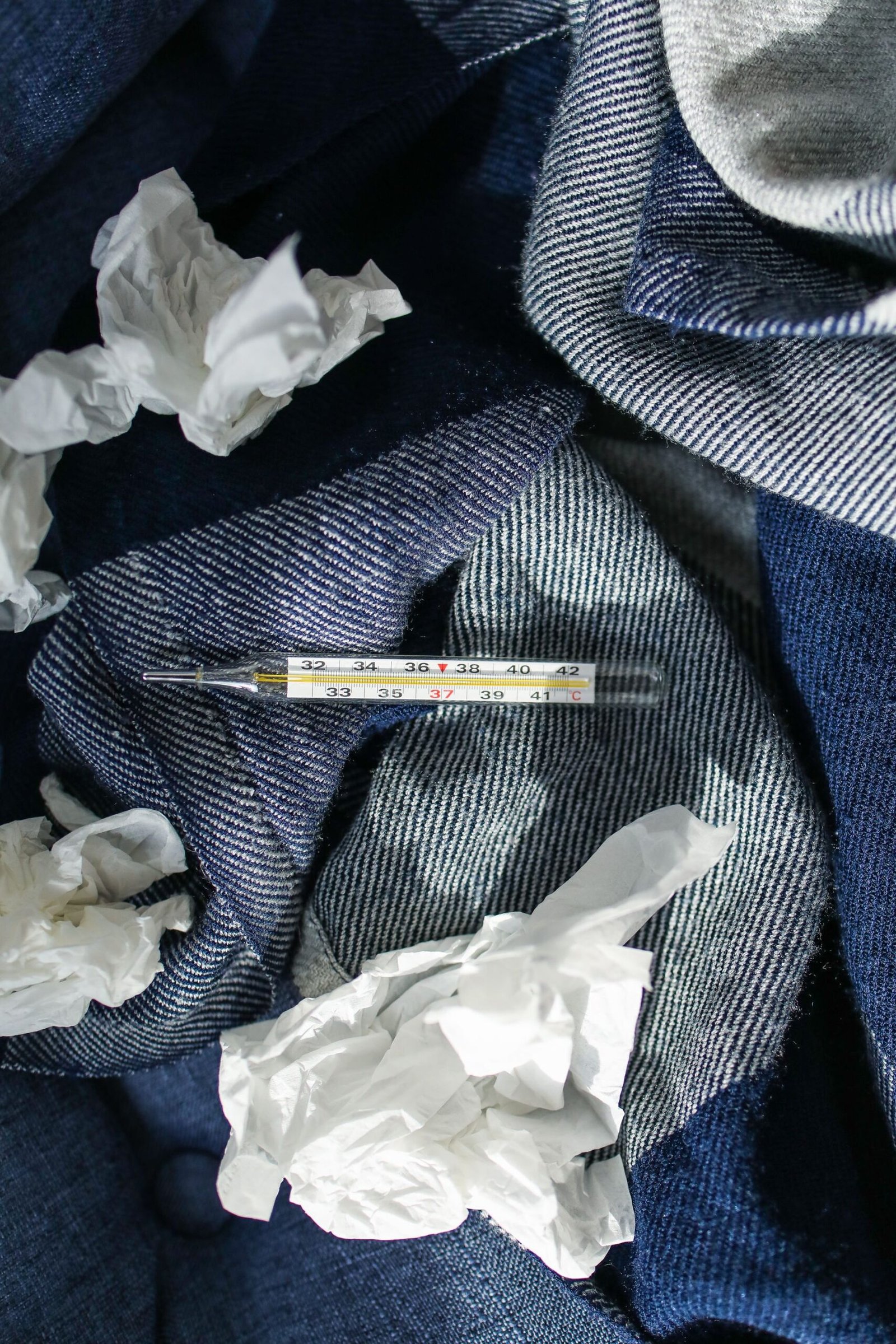
America’s flu season has barely begun, and it is already breaking records. New figures from the Centers for Disease Control and Prevention show that flu hospitalisations in the United States have reached their highest rate for this point in the season since 2010-11, with the season starting weeks earlier than usual and cases rising in 44 states. It is the clearest sign yet that this winter could be a hard one, and health officials are urging people who have not had a flu shot to get one now, before the surge peaks.
The numbers come from the CDC’s FluView report of 20 November, and they are stark. The agency estimates at least 3.7 million flu illnesses, 50,000 hospitalisations and 2,800 deaths so far in the 2026-27 season. The cumulative hospitalisation rate in the CDC’s surveillance network reached 12 per 100,000 people through 14 November. That is the highest rate recorded at this point in the season in fifteen years, going back to the 2010-11 season. For comparison, a typical season at this stage would have far fewer people in hospital beds. The CDC is forecasting a likely increase in flu admissions, and in the share of emergency department visits caused by flu, for the week ending 5 December, which suggests the worst is still ahead.
The season started early, and it started fast. Flu activity began rising in September, several weeks before the usual late-autumn climb, driven in part by a mutated H1N1 virus known as G155E. Seven states were already reporting high flu activity in the CDC’s latest update, up from just two states the week before: California, Louisiana, Oregon, South Carolina, Tennessee, Texas and Washington. Louisiana is seeing the worst of it so far. More than 3 percent of doctors’ office visits last week were for flu-like illness, a signal that flu is genuinely circulating in communities, not just showing up in hospital statistics. The surge began in the South and West, and it is now spreading.
The human cost is already visible. The first paediatric flu death of the 2026-27 season has been reported, a child who died during the week ending 10 October from influenza A(H1N1). Every season brings deaths, and children are among the most vulnerable, but a paediatric death this early in the season is a sobering marker of how quickly this virus is moving. Older adults, young children, pregnant women and people with chronic conditions such as asthma, diabetes and heart disease face the highest risk of severe illness, and they are the groups hospitals are watching most closely.
There is also a complicating factor that health officials have been warning about for weeks. The mutated H1N1 strain, G155E, has changed enough that this season’s flu vaccine may not match it as well as hoped. A surprise flu variant threw off the vaccine, and experts are bracing for a brutal winter as a result. That does not mean the vaccine is useless, far from it. Even a less-than-perfect match still reduces the risk of severe illness, hospitalisation and death, and it remains the best protection available. But it does mean that vaccination alone may not blunt this season the way it has in better-matched years, and that other precautions matter more: staying home when sick, washing hands, and seeking care early when symptoms worsen.
So why is this season different? Part of the answer is timing. An early start gives the virus more weeks to spread before the usual winter peak, and an early start driven by a mutated strain means more people are susceptible than usual, because their immune systems have not seen this version of the virus before. The pattern is familiar from past severe seasons: a new variant emerges, it spreads fast, and hospitals feel the pressure first. The difference this time is that the warning signs arrived in November, not January, and hospitals are already seeing admission rates they would normally expect in the depths of winter.
The strain on hospitals is worth taking seriously. Flu admissions do not arrive in isolation. Emergency departments are already busy, and every flu patient who needs a bed is a bed that is not available for someone with a heart attack, a broken hip or a complication from surgery. In a severe season, the knock-on effects reach far beyond the flu ward. That is why the CDC’s forecast of rising admissions matters even to people who feel healthy: a bad flu season affects the whole health system, not just the people who catch the virus.
What should you do? The advice has not changed, but the urgency has. If you have not had a flu shot this season, get one now. It takes about two weeks for protection to build, so a shot today protects you in mid-December, when the CDC expects admissions to be climbing. The vaccine is recommended for everyone aged six months and older, and it is especially important for older adults, young children, pregnant women and people with chronic health conditions. If you develop flu symptoms, a high fever, cough, body aches and exhaustion, contact your doctor promptly, because antiviral medicines work best when started within two days. And if you are sick, stay home. It sounds obvious, but it is how outbreaks slow down.
There is also a wider context worth noting. The same CDC updates that track flu also show other respiratory threats circulating, and the season is young. The flu numbers will almost certainly get worse before they get better, and the next few FluView reports will tell us whether this season settles into a bad-but-manageable winter or something more serious. For now, the record is clear: hospitalisations are at their highest for this point in the season in fifteen years, cases are rising in 44 states, and the season started early. If you have been putting off your flu shot, this is the week to stop putting it off.