
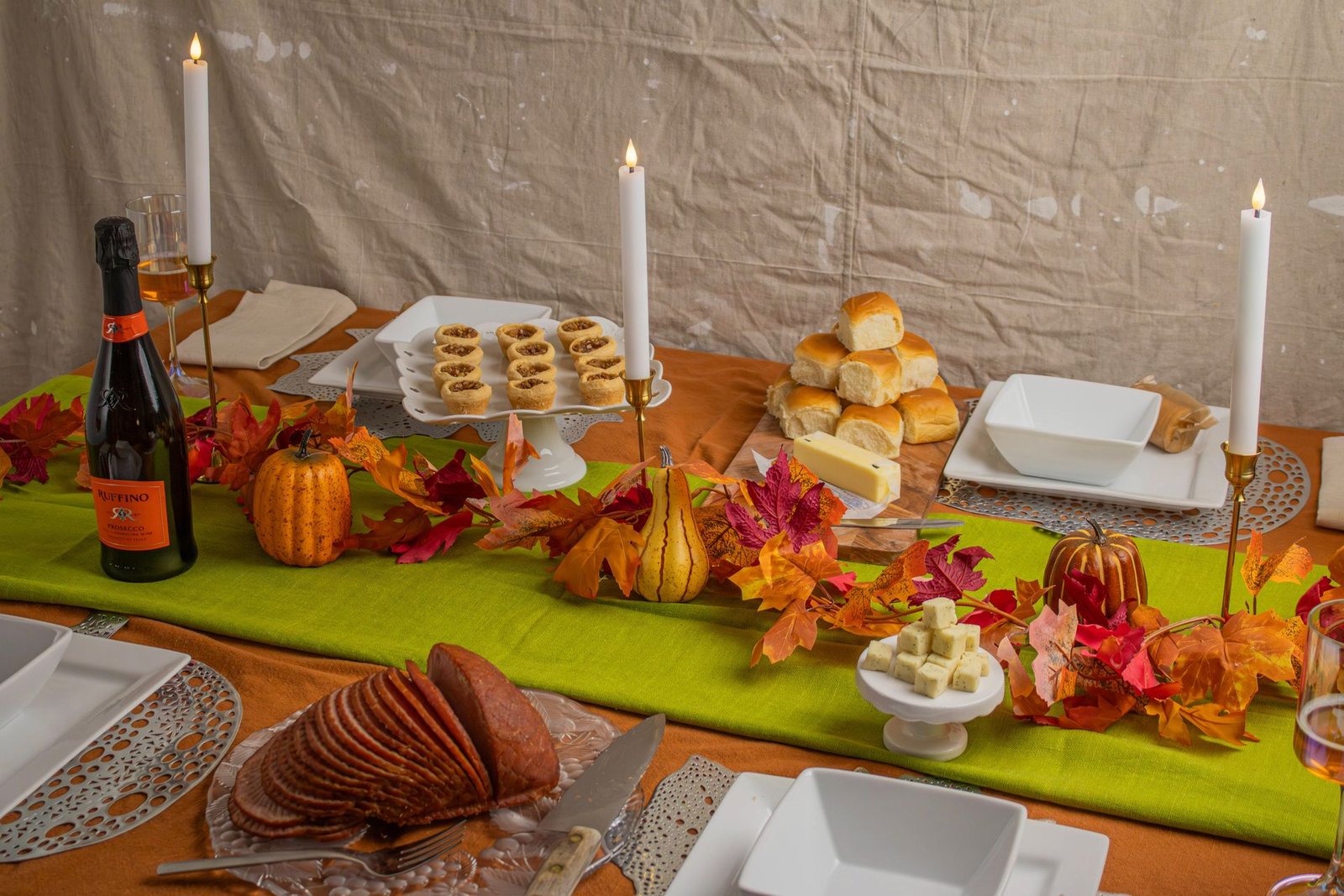
It was supposed to be the easy part of the holiday week — a catered Thanksgiving lunch for the staff, turkey and all the trimmings, served up before everyone headed home for the real thing. Instead, the afternoon ended with ambulances lined up outside a medical company’s headquarters in Florida, and 15 people on their way to hospital.
The scene unfolded on Wednesday afternoon at the Doral headquarters of Leon Medical Centers, about 12 miles northwest of downtown Miami. Staff had gathered for the company’s annual Thanksgiving luncheon, a catered spread laid on for headquarters employees. Within hours of eating, people started feeling sick — and then more people, and then more.
Miami-Dade Fire Rescue said 18 people in total reported falling ill with gastrointestinal symptoms. Fifteen of them were taken to local hospitals. Because so many people were affected at once, the fire department upgraded the call to a Level Three Mass Casualty Incident — the kind of response normally reserved for pile-ups and disasters, not a work lunch.
By Wednesday evening, the company was still trying to work out what had gone wrong. In a statement, Leon Medical Centers said the meal had been provided by an external caterer hired to serve the headquarters staff, and that it was working with the caterers to determine the cause. “Some of the staff began to experience gastrointestinal symptoms shortly after the luncheon and required treatment,” the company said, adding that it would continue to support its staff and their families.
The company was also quick to draw a line around the incident. No patients were affected, it stressed — the outbreak was limited to the headquarters facility, not one of its healthcare centres. Leon Medical Centers operates eight centres around Miami-Dade County, and none of them was involved.
As of Thursday night, the conditions of the 15 people taken to hospital were not known, and the cause of the illness had still not been identified. That is the part that will worry people most. Food poisoning can come from a long list of culprits — bacteria like salmonella or E. coli, a virus, or food left sitting too long at the wrong temperature — and investigators usually need lab results before they can point a finger. Symptoms can show up within hours or take days, which makes tracing a single meal harder than it sounds.
The timing could hardly have been worse. The luncheon happened the day before Thanksgiving, at the start of the biggest cooking week of the American year. Tens of millions of households were about to sit down to the same kind of meal — turkey, stuffing, gravy, pies — and the Florida story was a reminder of how quickly a celebration can turn. Health officials repeat the same advice every November for a reason: keep hot food hot, cold food cold, wash your hands, and do not let a cooked turkey sit out on the counter for hours while everyone watches football.
There is a particular irony in where it happened. Leon Medical Centers is a healthcare company. Its own employees were the ones struck down, in its own building, at a lunch its own company had laid on. Nobody expects the people who run clinics to end up as patients themselves, and the fact that the food came from outside caterers rather than the company’s own kitchens is the detail everyone will be looking at. Catered office lunches are a huge business in America, and when something goes wrong at one, the questions multiply fast: who cooked it, where was it stored, how long did it sit before serving, and who checked?
The scale of the response tells its own story. A Mass Casualty Incident declaration is not made lightly. Fire rescue crews treat a call like this seriously because a cluster of people falling ill at the same time, from the same meal, can keep growing — more people who ate the same food may develop symptoms later, and hospitals need to know what they are dealing with. In this case the numbers stopped at 18, but for several hours on Wednesday afternoon, nobody on the scene could be sure of that.
Thanksgiving food poisoning stories are, sadly, a regular feature of the holiday. Every year, emergency rooms see a spike in stomach complaints in the days after the feast, usually from home kitchens where a turkey was undercooked or leftovers lingered too long in the fridge. What made the Doral case different was the concentration — 18 people, one meal, one afternoon — and the fact that it happened before the holiday had even begun.
For the staff who fell ill, Thanksgiving itself was effectively cancelled. Instead of turkey with their families on Thursday, they were in hospital beds, or recovering at home, waiting for test results. For their colleagues who ate the same lunch and felt fine, there will have been an anxious night of watching for symptoms. Food poisoning has a cruel way of making the lucky ones feel guilty and the unlucky ones feel worse.
The investigation now belongs to the health authorities and the caterer. Until the cause is confirmed, speculation is unhelpful — but the questions are straightforward ones. Was a dish held at an unsafe temperature? Was there cross-contamination in the kitchen? Was a single ingredient — a sauce, a salad, a dessert — the common thread? The answers will matter not just to the 18 people who fell ill, but to every company planning a catered holiday party in the weeks ahead. December is peak season for office lunches, and a story like this travels fast.
There is also a wider lesson here that goes beyond one lunch in Doral. The American holiday table is a logistical operation: huge quantities of food, cooked in advance, transported, reheated and served to large groups. Every step is a chance for something to go wrong, and the margin for error shrinks as the guest list grows. The same rules that apply to a family of ten apply tenfold to a company lunch for hundreds — and when they are skipped, the consequences arrive all at once, in an afternoon, with ambulances outside.
For now, the people of Doral are left with a Thanksgiving story nobody wanted. A company lunch meant to say thank you to its staff ended with a mass casualty call, 15 hospital trips, and an investigation into a caterer. The turkeys will be cooked again next year, and the luncheon will probably be held again too. The hope is that by then, someone will have worked out exactly what went wrong — and made sure it cannot happen again.